After scanning hundreds of QR codes with my kid, this simple trick kept us both healthier
Remember those days when tracking your child’s health felt like juggling flaming torches? I did—until I discovered how something as simple as a QR code could change everything. No fancy gadgets, no overwhelming apps—just a tiny square that quietly helped me monitor fevers, allergies, and doctor visits without stress. This isn’t about high-tech fixes; it’s about small, smart changes that fit seamlessly into real family life. At first, I didn’t think a little black-and-white square could make a real difference. But after months of scanning, updating, and sharing, I can honestly say it’s become one of the most reliable tools in our daily routine—one that’s helped me feel more in control, less anxious, and more connected to my child’s well-being.
The Moment Everything Clicked
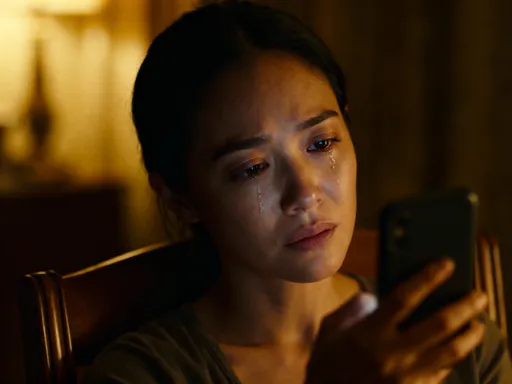
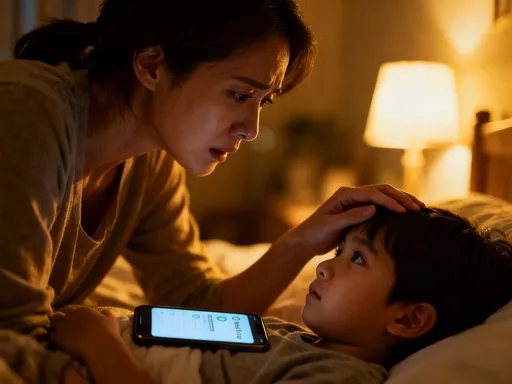
It happened at 2 a.m. My daughter was whimpering, her forehead scorching to the touch. I reached for the thermometer—103.2°F. My heart dropped. I needed to know when she’d last had a fever, what meds she was on, and whether she’d had her latest round of vaccines. But the folder? Buried somewhere in the kitchen drawer, under old permission slips and expired coupons. I remember pacing the hallway, phone in one hand, trying to call the after-hours nurse line while my other hand pressed against my daughter’s back, checking for rashes. That’s when I recalled something a pediatrician had mentioned months earlier during a wellness check: digital health tags. “They’re like invisible medical files,” she’d said. “You can access them in seconds.” I’d nodded politely, thinking it sounded like another tech trend I’d never actually use. But that night, desperation made me curious.
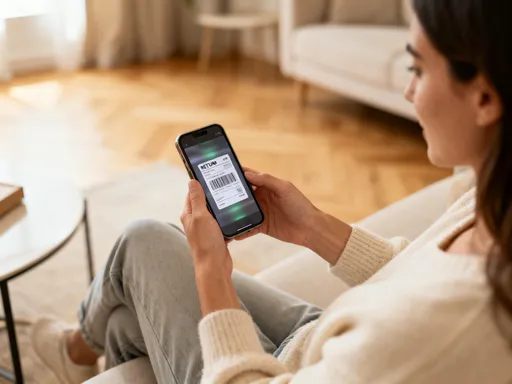
The next morning, bleary-eyed but determined, I sat at the kitchen table with my laptop. I searched for “secure family health QR code” and found a few free platforms that offered encrypted digital documents. I picked one that didn’t require a credit card and walked through the setup. It took less than 20 minutes. I uploaded our basic info: full names, birthdates, primary care provider, known allergies (she’s allergic to peanuts and penicillin), current medications, and immunization history. I added a section for emergency contacts—my husband, my sister, our neighbor who’s CPR-certified. Then, I generated a QR code and printed it on a waterproof sticker. I stuck it to the inside of her backpack. That night, I scanned it with my phone. Everything was there—clear, organized, and instantly accessible. No more digging. No more guessing. Just one scan, and I had peace of mind.
That moment changed how I thought about health management. It wasn’t about replacing doctors or skipping appointments. It was about being prepared. The next time she spiked a fever, I was ready. I scanned the code, reviewed her recent illness history, and knew exactly what dose of acetaminophen to give. I could also show the nurse the full timeline when I called. No more “I think she had that shot last year?” No more “Wait, is it ibuprofen or acetaminophen for her?” Just clarity. And in those high-stress moments, clarity is everything.
Why QR Codes Work Where Apps Fail
Let’s be honest—most of us have downloaded at least one parenting health app. I had three. One promised to track growth milestones, another sent vaccination reminders, and a third was supposed to log fevers and symptoms. I started strong. I entered data. I set alerts. But within weeks, I’d stopped opening them. Why? Because they required constant attention. Logins. Updates. Notifications that felt more like noise than help. Some even wanted access to my calendar, my email, my camera. I didn’t want a digital babysitter—I wanted something simple, something that worked when I needed it, not something that demanded my time every day.
QR codes don’t ask for that. They don’t need Wi-Fi to store data. They don’t drain your battery. They’re not pushy. They’re just there—quiet, reliable, and ready. I didn’t have to open an app, remember a password, or wait for a server to load. I just pointed my phone, scanned, and got what I needed. That simplicity made all the difference. I started putting codes in places that mattered. One on the fridge, so babysitters could check dietary restrictions. One on her lunchbox, just in case. Another on the back of her school folder. Each one linked to the same secure document, updated in real time. No duplicates. No confusion.
The real test came during a field trip. My daughter had an allergic reaction after eating a snack another child shared. The teacher didn’t panic. She pulled out her phone, scanned the code on the lunchbox, and within seconds had access to her full allergy profile and emergency action plan. The school nurse was called immediately, epinephrine was administered, and she recovered quickly. Later, the teacher told me, “It was the clearest, fastest way to get the info we needed.” No phone calls to parents. No waiting. No guesswork. That day, I realized this wasn’t just convenient—it was potentially life-saving.
Building Our Family Health Hub
After seeing how much the QR code helped during the allergic reaction, I decided to expand it. I created a family-wide version—a central health hub for all of us. I used the same secure platform and made a master document that included my son’s asthma history, my husband’s blood pressure logs, and even my own prenatal vitamins from when I was pregnant. I added sections for growth charts, recent lab results, and upcoming appointments. I even included a note about my son’s favorite comfort toy for when he’s in pain—something small, but meaningful to those caring for him.
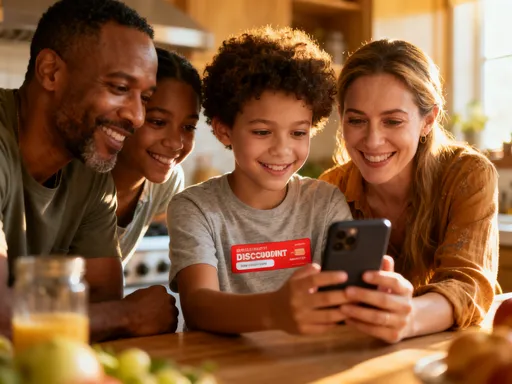
I printed individual codes for each family member and placed them strategically. Mine goes in my wallet. My husband keeps his on his keychain. The kids have theirs on backpacks and lunchboxes. We also have a shared family code on the fridge and in the car. Relatives love it. When my mom watches the kids, she scans the code before giving any medication. Same with babysitters. It takes the pressure off me to explain things over and over. And because the document is encrypted and password-protected, I control who sees what. I can revoke access anytime. I don’t have to worry about strangers scanning it and learning private details.
The best part? It’s always up to date. Whenever we have a doctor’s visit, I update the document that night. Vaccinations? Added. New prescriptions? Logged. Growth milestones? Tracked. It’s become our living health record—something that grows with us, changes with us, and supports us through every stage. And because it’s digital, I don’t have to worry about losing it. No more “Where’s that paper from the ENT?” No more “Did we ever get the flu shot?” It’s all in one place, protected, organized, and easy to share.
How We Use It Every Day
Our QR code isn’t just for emergencies. It’s woven into our daily rhythm. Every morning, before I pack snacks, I scan the code to double-check for any new allergy alerts or dietary changes. Last month, her pediatrician suggested cutting back on dairy for a week to monitor mucus levels. I updated the document, and now the babysitter knows not to offer milk. It’s small, but it prevents mistakes.
Before playdates, I send a temporary access link to the host parent. It expires after 48 hours, so it’s secure, but it gives them enough time to review any needs. One mom told me, “I love that you make it so easy to keep her safe.” I didn’t have to write a long email or list rules. Just a link, and they had everything they needed. Even school forms are easier. Instead of retyping the same information every year—name, birthdate, allergies, insurance—I let the office staff scan the code. No typos. No missing data. Just accuracy.
And when we travel? It’s a game-changer. Last summer, we visited family across the country. I shared the access code with my sister, who lives there. When my son got a stomach bug, she scanned it, saw his hydration plan, and knew exactly when to call the doctor. No time wasted explaining his medical history. No stress. Just care. I’ve even started using it for non-medical things—like storing a list of his favorite books and calming songs for when he’s overwhelmed. It’s not just a health tool anymore. It’s part of how we care for each other.
Teaching My Child to Take Charge
At first, my son thought the QR code was just “Mom’s tech thing.” He’d see me scanning it and roll his eyes. “Again, Mom?” But everything changed when I showed him how to scan it himself. I pulled up the document on my phone and pointed to his growth chart. “Look,” I said. “You’ve grown two inches since last year.” His eyes lit up. “I’m taller than Emma now?” he asked. I nodded. He grabbed my phone and scanned the code on his backpack, just to see for himself.
From then on, he started taking interest. When he had a cold, I showed him how to add his symptoms—fever, cough, how many tissues he used. He loved tracking how long the fever lasted. “Day three,” he’d announce proudly. “Still 100.4, but lower than yesterday!” It turned health monitoring into something interactive, something he could understand. He wasn’t just passive—he was part of the process.
Now, he updates his own section. He logs when he uses his inhaler, how he’s feeling, even his sleep hours. It’s teaching him responsibility. More than that, it’s teaching him self-awareness. He’s learning to notice his body, to speak up when something feels off, to take pride in his progress. I didn’t set out to create a mini-health expert. But by giving him access, I gave him power—the power to understand himself and advocate for his needs. That’s a lesson no app could teach as well.
Keeping It Safe and Simple
I know what you’re thinking: “Isn’t this risky? What if someone scans it and sees everything?” That was my biggest concern too. So I made security my top priority. I didn’t use random QR generators. I picked a platform that offers end-to-end encryption and two-factor authentication. The document isn’t stored on a public server. It’s hosted on a private, password-protected link. Only people I share the password with can view it. And I change that password every month.
I also set up temporary access for guests. Babysitters get a link that expires after a week. Relatives get one that lasts for a visit. And I never put identifying details like home address or Social Security numbers in the document. Just what’s medically necessary. I taught my kids the same rules: “Never share the password. Never let someone scan it without asking me first.” It’s not about fear—it’s about being smart. Privacy isn’t about hiding; it’s about choosing who gets to know.
And the truth is, this system is safer than paper files. Lost folders. Misplaced records. Accidental exposure. Those are real risks too. With the QR code, I control access. I can see who’s viewed it, when, and for how long. If something feels off, I revoke access instantly. I don’t have to worry about someone finding a folder in a drawer. This isn’t about living in fear of technology—it’s about using it wisely, with intention and care.
More Than Just Health: A New Way to Connect
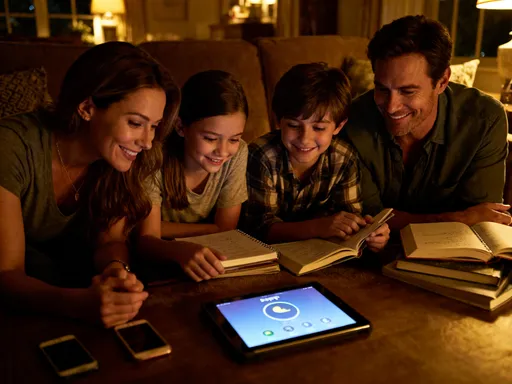
What started as a practical solution became something deeper. Scanning the code turned into a ritual. Every Sunday night, we sit together—me, my daughter, my son—and we review the week. We look at symptoms logged, growth updates, upcoming appointments. It’s become our quiet moment to check in, not just medically, but emotionally. “How are you really feeling?” I ask. “Tired,” my son might say. “My asthma’s been acting up.” Or my daughter: “I was sad at school. But I used my calm-down song from the list.” These conversations might not have happened otherwise. The code opened the door.
It didn’t replace bedtime stories or family dinners. But it added something valuable—a shared language around health and well-being. We talk about how rest matters. How food affects mood. How it’s okay to ask for help. Technology didn’t distance us. It brought us closer. It gave us a tool to care for each other in a more thoughtful, intentional way. And in a world that often feels overwhelming, that’s a gift.
So no, this isn’t about chasing the latest gadget. It’s about using what’s already in our pockets—our phones, our time, our love—to build something that truly supports our families. The QR code didn’t fix everything. But it helped me breathe easier. It gave me confidence. And it taught my kids that taking care of themselves isn’t a chore—it’s an act of love. In the end, it wasn’t about the technology at all. It was about the care it made possible. And that’s something worth scanning for.