From Rigid Routine to Effortless Flow: How Sleep Tech Gave Me Back My Mornings
You know that groggy, heavy feeling when you wake up after a night of tossing and turning? I used to drag myself through every morning, relying on coffee and willpower. But everything changed when I stopped fighting my body and started listening to it—thanks to simple sleep tracking tools. No wires, no complicated settings, just gentle insights that helped me move through my days with more energy, calm, and flexibility. This isn’t about perfect sleep—it’s about real life getting better, one restful night at a time.
The Morning Struggle Was Real (And So Was the Exhaustion)
There was a time when my alarm didn’t wake me up—it just reminded me I had to get up. I’d lie there, eyes half-open, body heavy like I’d been wrapped in wet towels. The kids were already shouting in the hallway, the dog needed walking, and the coffee pot hadn’t even started brewing yet. I’d shuffle through the motions, pretending I was present, but my mind was foggy, my temper short, and my heart just… tired. I wasn’t just sleep-deprived. I was emotionally drained, mentally scattered, and physically worn down. I’d tell myself, “Just push through,” like it was a virtue. But pushing through every single day? That’s not strength. That’s survival.
And honestly, it wasn’t just the lack of sleep—it was the guilt that came with it. I’d look at my family and think, “I should be more patient. I should be more present.” But how could I be, when I hadn’t even had a full night’s rest in months? I tried everything: herbal tea, lavender sprays, meditation apps, blackout curtains. I’d read articles about “perfect sleep hygiene” and feel worse because I couldn’t stick to the rules. My schedule was rigid—bed at 10, up at 6—but my sleep? Anything but. I’d fall asleep late, wake up multiple times, or feel unrested no matter how long I stayed in bed. It wasn’t laziness. It wasn’t lack of discipline. It was that my body was trying to tell me something, and I wasn’t listening.
What I didn’t realize then was that I wasn’t failing at sleep. I was failing to understand it. I treated sleep like a chore, another box to check off, instead of a rhythm to tune into. And because I didn’t have any real insight into what was happening at night, I kept blaming myself. “If only I had more willpower,” I’d think. But willpower doesn’t fix fragmented sleep. It doesn’t calm a racing mind at 2 a.m. What I needed wasn’t more discipline. I needed clarity. And that’s exactly what sleep tech gave me—not as a fix, but as a mirror.
Discovering Sleep Tracking: Not a Gadget, but a Wake-Up Call
I first heard about sleep tracking from a friend at a school pickup. She mentioned casually, “I’ve been wearing this little ring, and it’s changed everything.” I rolled my eyes internally. Another gadget? Another thing to charge, another app to learn? But she looked rested. Actually rested. Not just put-together, but glowing in a way that said, “I slept well and I know it.” That got my attention.
So I gave it a try—not the high-end medical device with wires and sensors, but a simple ring that tracks movement, heart rate, and breathing patterns while you sleep. It looked like jewelry, not tech. No setup drama, no confusing menus. I slipped it on, downloaded the app, and went to bed like normal. The next morning, I opened the app and froze. There it was: a color-coded graph of my night. Green for deep sleep. Yellow for light. Red for when I was tossing and turning. And a lot of red.
I thought I’d slept six and a half hours. The app said I was in bed for eight, but only got 4.9 hours of actual sleep. The rest? Restless. Broken. My body was awake more than I realized. I’d wake up briefly—maybe to check the time, adjust the blanket, or just shift position—and fall back asleep without remembering. But my body remembered. And now, finally, I could see it.
That moment wasn’t about numbers. It was about validation. All those mornings when I felt like a failure? Turns out, I wasn’t lazy. I was sleep-deprived. The data didn’t judge me. It explained me. And for the first time, I didn’t feel guilty for being tired. I felt seen. This wasn’t about chasing perfection. It was about understanding what was really happening so I could make smarter choices—without shame.
Seeing the Patterns That Were Hiding in Plain Sight
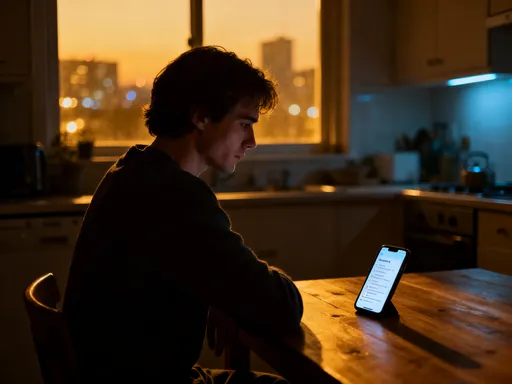
At first, I just stared at the data like it was a mystery novel. But after a few weeks, the patterns started emerging—clear, undeniable, and deeply personal. The biggest one? Screen time. I loved winding down with my phone—just “a few minutes” of scrolling before bed. But the data showed a direct link: the later I used my phone, the longer it took me to fall asleep. Not by a little. By sometimes over 45 minutes. My brain wasn’t relaxing. It was still processing emails, news, and social updates. I wasn’t unwinding. I was re-wiring.
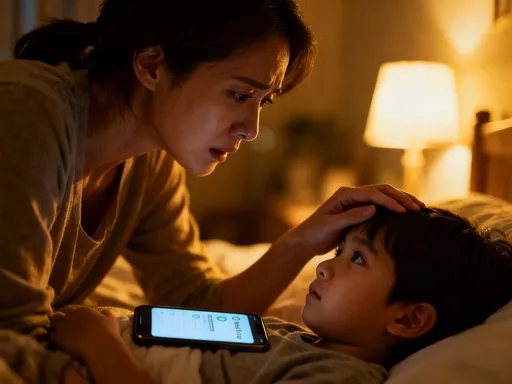
Another pattern? Stress. On nights when I went to bed upset—after a tense conversation with my partner or a frustrating work call—I’d wake up more often. The app showed spikes in heart rate during sleep, like my body was still on alert. I didn’t realize how much emotional tension was leaking into my rest. And then there was the weekend trap. I’d stay up late Friday and Saturday, thinking, “I’ll catch up on sleep Sunday.” But the data showed the opposite: those late nights messed up my rhythm so much that Monday mornings were harder, not easier. My body didn’t reset. It reset poorly.
What surprised me most was how small choices added up. That glass of wine on Thursday? It helped me fall asleep faster, but the data showed I spent less time in deep sleep—the most restorative kind. The intense workout at 8 p.m.? My heart rate stayed elevated for hours. Even eating dinner late showed up as more restless sleep. None of these things were “bad” on their own. But together, they were quietly sabotaging my rest. And until I saw the patterns, I had no idea.
The beauty of sleep tracking wasn’t in the data itself. It was in the awareness. It gave me a way to connect my daytime habits to my nighttime results. No preaching. No guilt. Just cause and effect, shown in a way I could finally understand. And once I saw the patterns, I couldn’t unsee them. That’s when the real change began.
Small Shifts, Big Gains: Adjusting Life Around Real Sleep Needs
With the data in hand, I didn’t overhaul my life overnight. I started small—tiny changes that felt doable, not overwhelming. The first was a “digital sunset.” I set a rule: no screens 60 minutes before bed. At first, it felt weird. What would I do with that hour? I filled it with things I used to say I “didn’t have time for”: reading a novel, journaling, folding laundry while listening to a podcast, or just sitting with a cup of chamomile tea. I didn’t miss my phone as much as I thought I would.
The second change was moving my workouts. I loved evening yoga and strength sessions, but the data showed my body needed more time to wind down. So I shifted them to mornings or early afternoons. I was skeptical—would I even have the energy? But I discovered something surprising: moving earlier gave me more energy during the day, not less. And I slept deeper at night. My body wasn’t revving up before rest. It was settling in.
Then came the wind-down ritual. Ten minutes. That’s all I committed to. Lights dimmed. Phone on airplane mode. A few deep breaths. Sometimes I’d do a short guided meditation. Other times, I’d just lie there and focus on my breathing. The goal wasn’t to fall asleep instantly. It was to signal to my body: “It’s safe. You can relax now.” And slowly, it started to believe me.
What made these changes stick wasn’t willpower. It was knowing they were based on *my* data, not someone else’s advice. I wasn’t following a rigid sleep plan. I was learning my own rhythm. And because the changes were backed by real insight, they didn’t feel like restrictions. They felt like care. I wasn’t giving things up. I was trading them for something better: rest, clarity, and mornings that didn’t feel like a battle.
More Than Better Sleep—A Softer, Smarter Way to Live
The first thing I noticed was the mornings. I still had an alarm, but I started waking up closer to it—sometimes even before—feeling more alert, less groggy. I wasn’t dragging myself to the coffee pot. I was actually present for breakfast with the kids. I listened more. I laughed more. I didn’t snap when someone spilled juice on the counter. That might sound small, but to me, it was huge. I was becoming the mom I wanted to be, not the exhausted version I’d settled for.
At work, I could focus for longer stretches. I stopped relying on afternoon sugar crashes and second cups of coffee. I finished projects calmly instead of rushing at the last minute. I even started saying “no” to things that didn’t align with my energy or values—something I never felt confident enough to do before. Rest gave me clarity. And clarity gave me courage.
But the biggest surprise was how it affected my sense of self. I started making time for things I’d put off for years—painting, writing, even planning a weekend trip with friends. Not because I had more time, but because I had more *energy*. Not just physical, but emotional. I felt more resilient. When stress came—and it still does—I bounced back faster. I wasn’t running on empty anymore. I was refilled, every night, by something simple and essential: rest.
Better sleep didn’t just change my nights. It changed my days. It softened my edges, sharpened my mind, and gave me back a sense of agency. I wasn’t just surviving. I was living—more fully, more calmly, more joyfully. And it all started with understanding one night at a time.
Making It Work for Real Life (Because Perfection Isn’t the Goal)
Now, let’s be real: I still have bad nights. Travel throws off my rhythm. A sick kid means broken sleep. Sometimes stress sneaks in, and I lie awake worrying. And that’s okay. The difference now is that I don’t spiral. I don’t beat myself up. I look at the data the next morning, not with judgment, but with curiosity. “What happened last night?” The app shows me: maybe my heart rate was elevated, or I was restless after midnight. That’s not failure. That’s information.
And with that information, I can respond wisely. If I had a rough night, I adjust. Maybe I take a short walk at lunch. Maybe I skip the evening meeting. Maybe I go to bed 30 minutes earlier. The tracker isn’t a boss. It’s a guide. It helps me get back on track faster, without guessing. I’ve also learned to ignore the “sleep score” sometimes. That number? It’s helpful, but it’s not my worth. Some nights I sleep poorly but feel great the next day. Other nights, the score is high, but I’m tired. I’ve learned to trust my body *alongside* the data, not blindly follow it.
I also use gentle reminders—not alarms, but soft nudges in the app that say, “Time to start winding down.” No pressure. No shame. Just a kind prompt, like a friend saying, “Hey, don’t forget to take care of you.” And when life gets messy, I let go of perfection. I don’t need 8 hours every night. I need consistency, compassion, and awareness. That’s enough.
Sleep tech didn’t give me a flawless routine. It gave me flexibility. It taught me that rest isn’t about rigid rules. It’s about responsiveness. It’s about listening, adjusting, and showing up for myself—especially on the hard days.
A New Kind of Self-Care: Listening to Your Body, One Night at a Time
Looking back, I realize I used to treat self-care like a luxury—something I’d do “when I had time.” A face mask. A long bath. A solo coffee run. But true self-care isn’t just pampering. It’s protection. It’s honoring your body’s needs, even when life is loud and busy. And for me, sleep tracking became one of the most powerful forms of self-care I’ve ever practiced.
It wasn’t about chasing productivity or looking younger (though I do feel more vibrant). It was about reclaiming my energy, my patience, my joy. It was about showing up for my family, my work, and myself—not drained, but present. The data didn’t make me perfect. It made me aware. And awareness is the first step toward change.
If you’re reading this and thinking, “I’m too busy for another gadget,” I get it. I thought the same. But this isn’t about adding more to your plate. It’s about understanding what’s already there. It’s about stopping the guesswork and starting to listen. Your body is speaking. The question is: are you hearing it?
Sleep tech didn’t give me back my mornings by magic. It gave them back by making the invisible visible. By turning restless nights into insights. By helping me trade exhaustion for ease, one night at a time. And if you’re tired—truly tired—I want you to know: rest isn’t selfish. It’s essential. And with the right tools, it’s possible. Not someday. Not when the kids are older. Now. Because you deserve to wake up feeling like yourself again.