Tired of Worrying About Gas Leaks While You’re Cooking with Kids Around? This Smart Monitor Lets You Breathe Easy
Gas safety is one of those things we rarely think about—until something goes wrong. As a parent who loves cooking with my kids, I used to panic every time I smelled gas or forgot to check the stove. That changed when I installed a smart gas monitor at home. It’s not just an alarm—it’s peace of mind. Now, I can focus on teaching my daughter how to make pancakes without constantly second-guessing the stove. This is technology that truly serves family life. No more guessing if the flame went out when I turned to wipe spilled juice or answer a call. No more racing back to the kitchen after putting the baby down for a nap, heart pounding. That constant hum of worry? It’s gone. And in its place is something better: calm, confidence, and the freedom to be fully present in the moments that matter most.
The Moment Everything Changed: A Close Call in the Kitchen
It was a rainy Tuesday afternoon, and my two kids were home from school early. We decided to make grilled cheese sandwiches together—one of our favorite rainy-day rituals. My son was carefully buttering the bread while my daughter stirred tomato soup on the stove. I stepped into the hallway to grab napkins, and that’s when I caught it: a faint but unmistakable smell of gas. My stomach dropped. I rushed back, turned off the burner, and cracked the windows open. The pilot light had gone out when the soup bubbled over, and gas had been leaking for at least a minute. Nothing serious, thank goodness, but it could have been.
That moment stayed with me. I kept thinking, What if I hadn’t noticed? What if I’d been upstairs? What if the kids had been alone? I realized then that our old gas detector—a basic model mounted high on the wall—hadn’t gone off. It wasn’t sensitive enough to catch low-level leaks, and it definitely couldn’t tell me what was happening when I wasn’t in the room. I needed something smarter. Something that didn’t just react, but watched. Something that gave me real-time information, not just a loud noise when it was possibly too late.
That night, I did some research. I wasn’t looking for a gadget—I was looking for reassurance. I wanted to protect my family without adding more stress to my day. What I found wasn’t just another alarm. It was a smart gas monitor that could sense leaks early, send alerts to my phone, and even integrate with my home’s ventilation system. It felt like the kind of technology that wasn’t just impressive—it was necessary. And installing it wasn’t about fear. It was about freedom. Freedom to cook, to laugh, to live in the kitchen without that nagging voice in the back of my head asking, Did I turn it off?
Why Gas Safety Matters More Than We Think
We don’t talk about gas leaks the way we talk about fire drills or smoke detectors, but they’re just as dangerous. Natural gas is odorless by nature—the smell we associate with leaks is actually an added chemical called mercaptan, designed to alert us. But if the leak is small, or if you’re distracted, or if someone in your home has a reduced sense of smell (like young children or older adults), you might not notice it in time. And even low-level exposure can cause headaches, dizziness, or nausea—symptoms that are easy to mistake for a virus or fatigue.
More concerning? Gas leaks can lead to explosions or carbon monoxide buildup, especially if appliances aren’t properly maintained. According to safety experts, thousands of home injuries each year are linked to gas-related incidents—many of which could have been prevented with better monitoring. Yet most homes still rely on basic detectors that only go off when gas levels reach a dangerous threshold. They’re reactive, not preventive. They don’t help you catch a slow leak from a worn stove valve or a misaligned burner. And they certainly don’t let you know what’s happening when you’re not in the house.
For families, the stakes are even higher. Kids are more vulnerable to gas exposure because of their faster breathing rates and smaller body sizes. And when you’re juggling meals, homework, and bedtime routines, it’s easy to overlook a flickering flame or a hiss you can’t quite place. I used to think, It won’t happen to me. But the truth is, it doesn’t have to be a major disaster to disrupt your life. A minor leak can still force you to evacuate, ruin a meal, or send someone to the doctor. That’s why I now see gas safety not as a one-time fix, but as an ongoing part of responsible home care—like checking smoke detectors or changing HVAC filters. It’s not about being afraid. It’s about being prepared.
How Smart Gas Monitors Work—Without the Tech Jargon
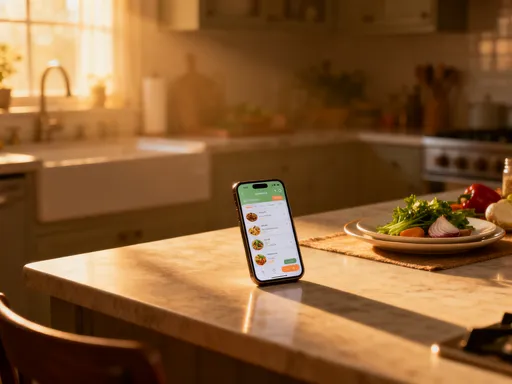
When I first looked into smart gas monitors, I’ll admit—I was intimidated. The product pages were full of terms like “electrochemical sensors” and “IoT integration.” But once I actually started using one, I realized it’s much simpler than it sounds. Think of it like having a quiet helper in the kitchen who never gets distracted. It’s constantly checking the air, 24/7, for any sign of gas. When it detects even a small change, it doesn’t just sound an alarm—it sends a notification to your phone, so you know what’s happening even if you’re in another room or out running errands.
The device uses advanced sensors that can pick up gas at much lower levels than traditional detectors. It’s sensitive enough to catch a slow leak before it becomes dangerous. And because it’s connected to your Wi-Fi, it can communicate with other smart home devices. For example, if it senses a problem, it can automatically turn on your range hood or send an alert to your partner’s phone. Some models even work with voice assistants, so you can ask, “Is the kitchen safe?” and get a real-time update.
But here’s what I love most: it’s designed for real life. You don’t need to be a tech expert to use it. The setup is straightforward, the app is easy to navigate, and the alerts are clear—no confusing beeps or codes. It’s not about flashy features. It’s about giving you accurate, timely information in a way that fits your routine. I compare it to a car’s backup camera: you hope you never need it, but once you have it, you wonder how you ever lived without it. This isn’t just a gadget. It’s a layer of protection that works quietly in the background, letting you focus on what really matters—your family.
Real Life with the Monitor: From Panic to Peace
Since installing the smart gas monitor, my mornings have changed. There was a time when getting breakfast ready felt like a high-wire act. I’d be scrambling eggs, packing lunches, and helping with homework—all while nervously glancing at the stove, worried I’d left a burner on low or that the flame had gone out. Now, I can walk away to help my son find his shoes and know that if something’s wrong, my phone will tell me. Last week, the alert went off while I was helping my daughter with her science project in the living room. I checked the app and saw a minor spike in gas levels. I walked back to find that the burner hadn’t ignited properly. A quick adjustment, and it was fixed—before any real risk developed.
Dinnertime is calmer, too. We cook together more often now. My daughter loves making pasta, and my son is learning to sauté vegetables. I used to hover over them, anxious about every flicker of flame. Now, I can step back and let them try, knowing the monitor is watching. It’s not that I’ve become careless—I’m still teaching them kitchen safety—but I don’t have to carry the full weight of vigilance on my own. The device is like a second set of eyes, giving me permission to relax a little.
Even at night, I sleep better. I used to wake up sometimes, wondering if I’d turned off the stove after late-night tea. Now, I can check from bed. The app shows real-time air quality, and I get a nightly summary of any activity. It’s not paranoia—it’s peace of mind. And that’s made a bigger difference than I expected. When you’re not constantly managing low-level anxiety, you have more energy for joy, for patience, for being present. My kitchen used to feel like a place of potential danger. Now, it feels like a place of connection.
More Than Safety: How It Supports Family Growth and Hobbies
What surprised me most about the smart gas monitor wasn’t just the safety—it was how it opened up space for creativity and learning in our home. Because I’m no longer afraid of accidents, I’ve started teaching my kids more advanced cooking skills. We’ve tried homemade pizza, stir-fries, even a simple quiche. These aren’t just meals—they’re lessons in math, science, and teamwork. My daughter measures ingredients, my son learns about heat control, and we all talk and laugh while we work. The monitor doesn’t just prevent danger—it enables these moments.
I’ve also started hosting small gatherings again—something I’d scaled back after the gas scare. I love having friends over for brunch or a casual dinner, but I used to worry about being distracted by conversation while cooking. Now, I can relax and enjoy my guests, knowing I’ll be alerted if anything goes wrong. Last month, we had a girls’ night dinner, and I made a slow-cooked stew that simmered for hours. I didn’t need to keep checking the stove. I trusted the monitor to watch it for me. And that trust made the whole evening more enjoyable.
Even my own hobbies have flourished. I’ve been experimenting with baking sourdough bread, which requires long, unattended rises and careful temperature control. There was a time when I’d avoid recipes like that, fearing I’d forget about the oven. Now, I feel free to explore. I’ve discovered a new passion—and shared it with my family. We bake together on weekends, and the kitchen has become a place of joy, not just necessity. The monitor didn’t just make us safer. It made us bolder. It removed a hidden barrier to living fully in our home.
Setting It Up Is Easier Than You Think
I’ll be honest—I was nervous about installing it. I’m not the most tech-savvy person. I still need my teenager to help me with the Wi-Fi router sometimes. But the setup process was surprisingly simple. The package came with clear, step-by-step instructions and a QR code that linked to a video tutorial. I mounted the device on the wall near the stove—about five feet high, as recommended—and plugged it in. Then I downloaded the app, connected it to my home network, and followed the prompts. Total time? Less than 20 minutes.
One thing I worried about was false alarms. I didn’t want a device that would beep every time I cooked garlic or burned toast. But the smart monitor is designed to distinguish between normal cooking smells and actual gas leaks. It uses multiple sensors to analyze the air, so it’s not triggered by steam or smoke. I’ve used it for months now, and it’s only alerted twice—and both times, there was a real issue: once a loose connection on the stove, and once a burner that didn’t ignite. No false alarms. No unnecessary stress.
I also appreciate how quietly it works. It doesn’t beep unless there’s a problem, and the app notifications are clear but not overwhelming. I can customize alert settings—like choosing to get a notification only if gas levels rise above a certain point. And if I’m ever unsure, customer support is just a message away. They walked me through pairing it with my smart thermostat, so now the system can automatically shut off the gas valve if needed. It’s not perfect—no technology is—but it’s reliable, user-friendly, and clearly designed with real families in mind.
A Small Change That Transforms Your Home’s Heart
Looking back, I realize that installing the smart gas monitor wasn’t just about preventing accidents. It was about reclaiming my kitchen as a place of warmth, not worry. It’s where we laugh over messy pancake flips, where my son proudly serves his first homemade soup, where we gather after school to share stories and snacks. That space—our home’s heart—should feel safe, not stressful. And now, it does.
This device didn’t change my life in a dramatic way. There was no crisis averted, no emergency call made. But it changed the quiet moments—the ones where I used to hesitate, second-guess, or rush back to check the stove. Now, I breathe easier. I move slower. I listen more. And that, to me, is what technology should do: not complicate life, but make space for what matters.
If you’re a parent, a caregiver, or someone who loves cooking with family, I hope you’ll consider making this small change. It’s not about fear. It’s about freedom. Freedom to live fully in your home, to teach, to create, to connect—without the shadow of “what if?” Because peace of mind isn’t a luxury. It’s the foundation of a home where love can grow, where memories are made, and where everyone can breathe easy.