Cut my home alarm setup time by 90%: How clear communication made my family safer overnight
You know that frustrating moment when you just want to feel safe at home, but the alarm system instructions read like a foreign language? I felt the same—until I realized the real problem wasn’t the tech. It was how we talked about it. With a few simple shifts in how we communicated, my family went from confused to confident in one evening. No jargon, no stress—just clarity that actually works. Now, when the sun goes down, I don’t double-check the alarm out of fear. I do it because I know everyone in my house understands how it works. And that peace of mind? It didn’t come from a new gadget. It came from a conversation.
The Night Everything Changed – A False Alarm That Woke Us Up
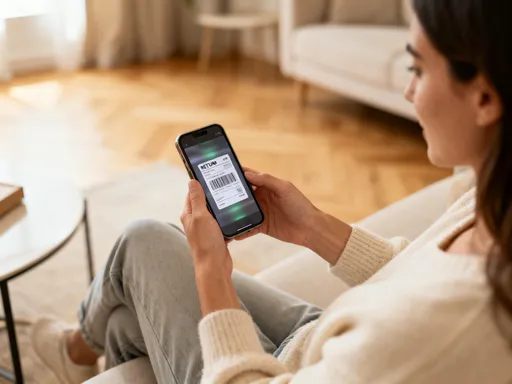
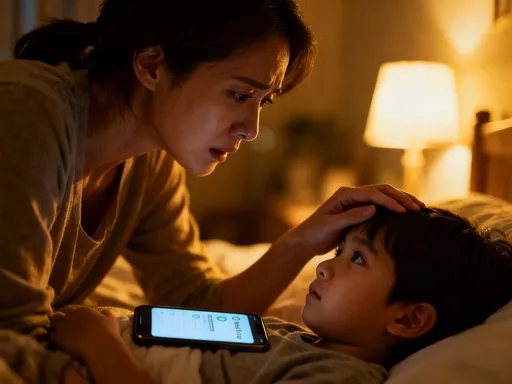
It was 2:17 a.m. when the alarm blared through the house like a siren from a bad dream. My heart jumped into my throat. I grabbed my phone, fumbled for the app, and saw red letters flashing: "Entry Detected – Front Door." My hands shook. Was someone inside? I crept downstairs, clutching a kitchen knife I didn’t even know I kept within reach. My husband met me halfway, eyes wide. My daughter called from her room, voice trembling: "Mom? Is someone here?"
Turns out, it was just our 10-year-old who forgot to disarm the system after grabbing a glass of water. She hit the wrong button. The panic button. But in that moment, none of us knew what had happened. We didn’t know how to silence the alarm without triggering a call to the monitoring center. We didn’t know who was supposed to respond. We didn’t even know where the master code was kept. The system was working perfectly—but we weren’t.
After the noise finally stopped and the monitoring agent confirmed it was a false alarm, I sat at the kitchen table, exhausted and embarrassed. But more than that, I felt scared. Not just of intruders—but of our own home. How could we rely on a system we didn’t understand? We had spent hundreds of dollars on advanced sensors, door contacts, and a sleek app, but none of it mattered if we couldn’t use it together, calmly and clearly. That night, I realized safety wasn’t just about technology. It was about communication. And we were failing at the most important part.
What hit me hardest was how much fear that single incident created. My daughter had trouble sleeping for days. My husband started checking windows twice before bed. And me? I began avoiding the system altogether, leaving it disarmed just to avoid another panic. We weren’t safer—we were more anxious. The irony wasn’t lost on me: we bought the alarm to reduce fear, but poor communication had turned it into a source of stress. That’s when I decided to stop treating it like a tech problem and start treating it like a family one.
Why So Many Families Struggle with Alarm Systems (It’s Not Your Fault)
If you’ve ever stared at your alarm keypad and felt confused, you’re not alone. You’re not behind. You’re not bad with technology. The truth is, most home security systems are designed by engineers for engineers—not for parents juggling bedtime routines, teens who barely glance at instructions, or grandparents who just want to feel safe without learning a new language.
Think about it: what does "arm stay" even mean? Is that the same as "home mode"? What’s the difference between a chime, an alert, and a full alarm? And why does the system beep three times when you press one button, then flash red when you press another? These aren’t user errors—they’re design flaws. The language is vague, the feedback is inconsistent, and the consequences of mistakes feel huge. No wonder so many families leave parts of their system unused or turn it off entirely.
I started asking friends about their experiences. One mom told me her mother-in-law once called 911 because she thought the system was malfunctioning when it made a soft chime. Another friend admitted her teenager disables the alarm every time she comes home from school because she doesn’t know how to disarm it properly. A neighbor confessed he never arms the back door because he’s afraid his wife will get locked out—and trigger the alarm when she tries to open it.
These aren’t isolated stories. They’re patterns. And they all point to the same thing: we’re asking families to master complex systems in homes that are already full of noise, distractions, and emotional load. When a child is crying, a pot is boiling over, and the dog is barking, the last thing anyone needs is to remember whether pressing "Bypass" before "Arm" will disable the motion sensor in the hallway. The system should support family life—not complicate it. The problem isn’t that we’re not trying. It’s that the tools aren’t built for real life.
Clarity Over Complexity: What Truly Makes a System Work
After that awful night, I made a promise: no more tech talk. No more manuals. No more trying to memorize sequences. Instead, I asked one simple question: how can we make this system feel like part of our family rhythm? That’s when everything shifted.
I realized the most reliable systems aren’t the ones with the most features—they’re the ones everyone understands. Think about a family recipe. You don’t need a culinary degree to make your grandma’s soup. You know when to stir, when to add salt, and who gets to taste first. Why? Because it’s simple, repeated, and everyone has a role. That’s what we needed with our alarm system—not more tech, but more clarity.
We started by renaming everything. "Arm stay" became "Home Safe Mode." "Away arm" turned into "Everyone Out & Locked." The panic button? We called it "Emergency Help" and agreed only to use it if someone was hurt or in danger. These weren’t official terms. They were ours. And suddenly, the system felt less like a machine and more like a shared language.
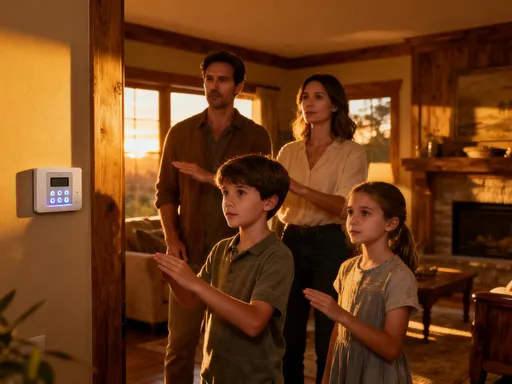
We also focused on consistency. Every night, at the same time, we did a quick safety check: doors locked, lights off, alarm on. We made it part of our routine, like brushing teeth or setting the coffee maker. No decisions, no stress—just a habit. The kids knew their job: shut their bedroom windows and tell us when they were ready. My husband handled the garage door. I set the alarm. And we all said, "House is safe," before heading upstairs. It sounds small, but that phrase created a sense of shared responsibility. Safety wasn’t just my job. It was ours.
How We Redesigned Our Home Safety in One Evening
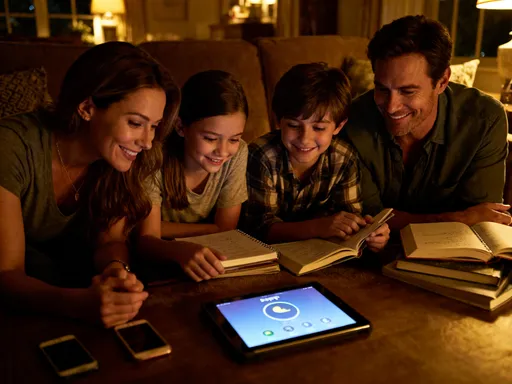
One Friday night, after dinner, I cleared the table and said, "Let’s talk about how we keep our home safe—without fear." I didn’t bring up the false alarm. I didn’t blame anyone. I just said, "I want us all to feel calm and confident when we use the alarm. Can we try making it easier?" And just like that, we began.
First, we mapped out who does what. I wrote it on a big piece of paper: "Who arms the house?" "Who checks the doors?" "Who knows the code?" We assigned roles based on who was usually home last and who felt most comfortable with the system. My son, who loves structure, became the "Door Checker." My daughter, who’s great at remembering details, kept the backup code in her school planner (in a secret spot only she knew). My husband and I shared the final arming step.
Then came the labels. I printed simple, colorful stickers and stuck them on the keypad and remotes. Green for "Home Safe Mode," red for "Emergency Help," blue for "Disarm." No codes, no abbreviations—just words anyone could read. I even added little icons: a house for home mode, a phone for emergency, a key for disarm. When my mother visited, she said, "Oh, I get it now," and set the alarm without asking a single question.
We also practiced. We did a "what if" game: "What if you come home and the alarm is beeping?" "What if Grandma forgets the code?" "What if the power goes out?" We walked through each scenario, calmly and slowly. I remember one moment when my daughter asked, "But what if I’m scared and I just want help?" That’s when we decided the "Emergency Help" button wasn’t just for intruders—it was for anything that felt unsafe. A storm, a broken window, a strange noise. It was our family’s signal for, "I need you now."
And yes, we talked about mistakes. I said, "If you press the wrong button, it’s okay. Just call me. We’ll fix it together." That one sentence changed everything. Fear didn’t disappear overnight, but it lost its power. Because now, we had a plan. And more importantly, we had each other.
Small Changes, Big Gains: The Ripple Effect of Clear Communication
Within a week, I noticed changes I never expected. My daughter started reminding me to set the alarm. My husband stopped double-checking the doors. And for the first time in months, I slept through the night. But the biggest surprise wasn’t about safety—it was about connection.
Having a shared routine gave us something positive to focus on together. It wasn’t just about avoiding danger. It was about building trust. Knowing that everyone understood the system made me feel less alone in carrying the mental load of home management. And when my son proudly announced, "I checked all the doors—house is secure," I saw confidence in his eyes. He wasn’t just helping—he was contributing.
Even our guests noticed. A friend who stayed over said, "I love how easy your system is. I actually felt comfortable using it." Another neighbor asked how we got our kids to care about security. I told her it wasn’t about rules—it was about clarity. When people understand why something matters and how to do it, they’re more likely to care.
But the deepest change was emotional. That constant hum of background anxiety—the one that whispered, "What if something goes wrong and we don’t know how to respond?"—finally quieted. Not because the system was more advanced, but because we were more aligned. We weren’t just protected by technology. We were protected by understanding. And that kind of safety doesn’t just guard your home. It calms your heart.
Tools That Help—Without the Tech Jargon
Now, I’m not saying all systems are the same. Some are definitely easier to use than others. After our reset, I looked for tools that supported our new way of communicating—not complicated it. I wanted systems where the interface felt intuitive, not intimidating.
We kept our SimpliSafe setup because of its clean, visual keypad and simple app. The big buttons, clear labels, and color-coded modes made it easy for everyone to understand at a glance. But what really helped was the voice prompt feature—when you arm the system, it says, "Home mode set," so you know it worked. No guessing. No beeps that mean different things to different people.
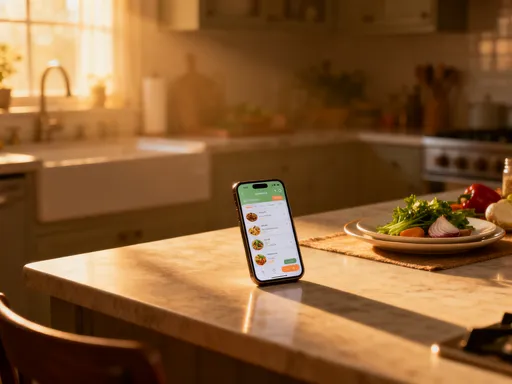
We also started using the Ring app on our shared family tablet. The dashboard shows camera feeds, doorbell alerts, and alarm status in one place, with big icons and plain language. When the front door opens, it says, "Front door unlocked," not "Entry point 3 disengaged." And the best part? Multiple family members can get alerts and respond, so no one feels solely responsible.
For my parents, who visit often, we enabled Google Nest’s voice integration. Now, my mom can say, "Hey Google, set the alarm to Home Safe," and it works. No fumbling for remotes. No fear of pressing the wrong thing. The voice feature turned a stressful task into a simple request. And because it’s part of a system they already use for music and timers, it felt familiar, not foreign.
The key wasn’t finding the most advanced system. It was finding one that spoke our language—literally and emotionally. Systems that use clear visuals, simple words, and consistent feedback help families stay on the same page. And when technology supports conversation instead of replacing it, that’s when real safety begins.
Building a Safer Home, One Conversation at a Time
If I could go back and give my past self one piece of advice, it would be this: don’t start with the wires. Start with the words. The most powerful security feature isn’t facial recognition or motion tracking. It’s understanding. It’s knowing that when the alarm sounds, your child won’t panic because she knows what to do. It’s your partner not hesitating because he knows the code. It’s your aging parent feeling confident, not confused.
Home security isn’t just about keeping danger out. It’s about bringing peace in. And that kind of peace doesn’t come from a monthly subscription or a high-tech sensor. It comes from sitting down together, asking, "How can we make this work for all of us?" It comes from renaming buttons, practicing routines, and giving permission to make mistakes. It comes from seeing technology not as a solution, but as a tool—one that only works when everyone knows how to use it.
I used to think being a good homemaker meant having everything under control. Now I know it means creating space where everyone feels capable. Where safety isn’t a burden on one person, but a shared practice. Where a simple phrase like "House is safe" can carry the weight of love, care, and connection.
So tonight, before you set the alarm, try setting something else first: a conversation. Gather your family. Light a candle. Make it warm, not stressful. Ask, "How can we feel safer together?" Listen. Laugh a little. Write down your own names for the buttons. Draw a map of who does what. Make it yours.
Because the truth is, no system can replace the sound of your daughter’s voice saying, "I checked the windows," or your husband’s hand on your shoulder when the alarm beeps and you both smile, knowing you’ve got this. That’s the real security. That’s the home you’re building. And it’s stronger than any code, sensor, or app could ever be.