After Testing 12 Meal Planning Apps, This One Cut My Weekly Grocery Trips in Half
Living alone used to mean eating the same three meals on repeat—boring, unbalanced, and honestly, a little lonely. I wanted healthier food, less waste, and a way to feel more connected, even when I was by myself. Then I found something unexpected: a simple app that didn’t just organize my meals, but quietly brought more calm, structure, and even joy to my kitchen. It wasn’t about perfect recipes—it was about feeling in control, every single day. And over time, that small sense of order rippled into every part of my life.
The Hidden Challenge of Eating Alone
Let’s be real—cooking for one isn’t always easy. It’s not just about lacking a dinner companion; it’s the little things that wear you down. You buy a bunch of fresh veggies, excited to make a big salad, but by day three, half of them are already wilting in the fridge. You open a jar of pesto, knowing you’ll only use a spoonful, and suddenly you’re staring at it all week, willing it to disappear. Or worse—you forget to eat at all because no one’s around to remind you it’s dinnertime.
I used to think I was just bad at adulting. I’d promise myself I’d eat better, then end up with frozen meals or takeout three nights in a row. Not because I didn’t care, but because planning felt overwhelming. Do I have the ingredients? How much should I cook? What if I don’t feel like it after work? These tiny decisions piled up until it was easier to give up and order in. And the guilt followed—wasting money, wasting food, not taking care of myself the way I wanted to.
But it wasn’t just about nutrition. There was a quiet loneliness in it too. Sharing meals has always been one of the most human things we do—talking, laughing, checking in. When you’re on your own, that rhythm fades. You miss the rhythm of someone asking, ‘What’s for dinner?’ or offering to chop the onions. Over time, the kitchen starts to feel like a chore zone, not a heart zone. I began to realize that how I ate wasn’t just affecting my body—it was shaping my mood, my energy, even how safe and grounded I felt at home.
How Technology Quietly Steps In
I never thought an app could change that. I used to roll my eyes at the idea of ‘smart’ tools telling me how to live. I imagined cold interfaces, endless notifications, more pressure to perform. But then I started noticing how some apps were different—not trying to fix me, but just helping me remember. Like the one that noticed I never logged lunch on Tuesdays and gently asked, ‘Did you eat today?’ Or the grocery list that learned I always forget garlic and automatically added it when I picked a pasta recipe.
That’s when it hit me: technology doesn’t have to be flashy to be powerful. The best tools aren’t the ones that shout—they’re the ones that listen. They pay attention to your habits, your rhythms, your little forgetfulnesses, and they step in with quiet support. Think of it like a thoughtful friend who knows you well enough to say, ‘Hey, you liked that lentil soup last month—want to make it again?’ without making you feel judged for repeating meals.
What I appreciated most was how these apps didn’t demand perfection. They didn’t scold me for skipping a planned meal or eating toast for dinner. Instead, they adapted. If I swapped out chicken for tofu, the app updated the grocery list without fuss. If I marked a recipe as ‘too spicy,’ it remembered and suggested milder versions next time. It felt less like being managed and more like being understood. And that subtle shift—from pressure to partnership—made all the difference.
For someone like me, who just wanted to eat better without adding more mental load, this kind of gentle guidance was exactly what I needed. It wasn’t about tracking every calorie or hitting macro goals. It was about creating a little breathing room in my day, so I could focus on enjoying my food instead of stressing over it.
Finding the Right Fit: What I Tested and Why
I’ll admit, I went a little overboard. When I decided to fix my eating habits, I downloaded every meal planning app I could find—12 in total. Some came highly recommended by food bloggers. Others promised AI-powered recipes or grocery delivery integration. I was hopeful, even excited. But within a few weeks, most of them were deleted.
The first few felt like trying to fit into jeans that were two sizes too small. Too many steps just to plan one meal. I’d open the app, pick a recipe, then spend ten minutes adjusting servings, checking pantry items, and manually adding ingredients to a list. By the time I was done, I was already tired—and dinner wasn’t even cooking yet. One app asked me to rate every meal on a five-star scale, which felt like homework. Another locked useful features behind a paywall, so the free version was basically just a digital notepad.
Then there were the apps that didn’t seem to understand real life. They suggested elaborate meals with 15 ingredients, none of which I already had. Or they insisted on strict categories—‘high protein,’ ‘low carb’—but didn’t let me mix and match based on my mood. I wanted flexibility, not a rigid system. One even sent me a reminder to prep breakfast at 5 a.m.—who is awake then? I’m a busy woman, not a morning influencer.
What frustrated me most was how disconnected they felt from the emotional side of cooking. They treated meal planning like a spreadsheet, not a part of daily living. Where was the warmth? The encouragement? The understanding that sometimes you just want soup because it’s raining and you need comfort? I began to wonder if I was asking too much—that maybe no app could truly get it.
But then I found one that did.
The App That Finally Made Sense
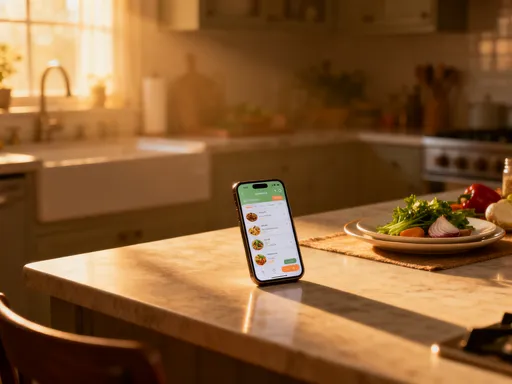
It wasn’t the fanciest. It didn’t have a celebrity chef endorsement or a flashy interface. But within a week of using it, I noticed something strange: I wasn’t dreading dinner anymore. I opened the app, and instead of a long checklist, I saw a friendly weekly view with my meals already suggested—simple things like roasted vegetable bowls, one-pot stews, and grain salads. Recipes I could actually see myself making.
The magic was in how it learned me. After a few weeks, it started recommending dishes with ingredients I actually liked and already kept on hand—like chickpeas, sweet potatoes, and spinach. It remembered I prefer plant-based meals during the week and automatically adjusted portion sizes for one. No more guessing how much rice to cook. No more staring at a half-used jar of tahini, wondering what to do with it.
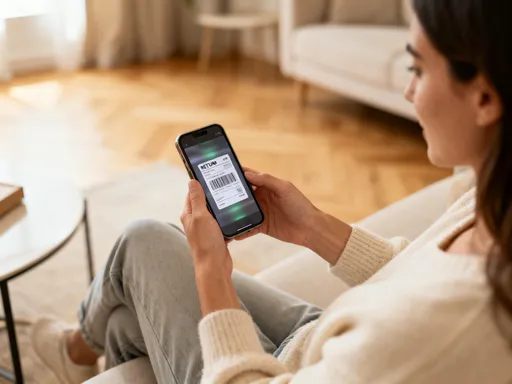
One feature I didn’t know I needed? The leftover reminder. On Thursdays, it would gently prompt, ‘You have roasted veggies from Monday—try them in a wrap tonight!’ It felt like having a kind kitchen helper who cared about reducing waste and saving me time. And because the app synced with my local grocery delivery service, I could tap a button and have exactly what I needed—no overbuying, no forgotten items.
I started going from four or five grocery trips a week to just one. That’s right—cut in half. And not only did I save money, but my fridge stayed cleaner, my meals felt more intentional, and I stopped feeling guilty about tossing spoiled food. The app didn’t take over my life—it just made the parts I already cared about run more smoothly.
Even better, it let me add my own family recipes—the ones my mom taught me, the slow-cooked beans my sister loves. I could snap a photo, type in the ingredients, and it would treat it like any other recipe. Suddenly, my digital planner felt personal, not generic. It wasn’t replacing tradition—it was honoring it.
More Than Just Meals: A Ripple Effect on Daily Life
I didn’t expect the changes to go beyond the kitchen. But slowly, I noticed shifts in other areas. I had more energy in the afternoons. I wasn’t crashing after a sugar-heavy lunch because I’d actually eaten a balanced breakfast. My sleep improved—maybe because I wasn’t eating late-night takeout while scrolling on the couch. I felt calmer, more centered, like I had a gentle rhythm to my days.
One evening, my neighbor stopped by and said, ‘You seem… lighter lately. Happier.’ I didn’t know how to explain it, but I think it’s because I finally stopped feeling like I was failing at something as basic as feeding myself. Instead of dread, I felt a quiet pride. I’d made a lentil curry from scratch. I’d used up all the kale. I’d even saved leftovers for tomorrow.
I started catching myself saying things like, ‘Wait, I actually look forward to dinner now?’ It wasn’t just about the food—it was about the sense of order, the small wins adding up. That feeling of ‘I did this’ became a quiet foundation for confidence. If I could show up for myself in the kitchen, maybe I could do it in other areas too—saying no when I’m tired, taking time to rest, speaking up when I need something.
The app didn’t give me superpowers. But it gave me space—mental space, time space, emotional space. And in that space, I began to grow. It’s funny how something as simple as a meal plan can make you feel more like yourself.
Sharing Without Being There: Staying Connected Through Food
One of the most unexpected joys was how the app helped me stay close to family. I started sharing my weekly meal plan with my mom. Every Sunday, I’d tap a button and send her my menu. She’d text back, ‘Love that you’re making the chicken soup—just like Grandma!’ or ‘Try adding turmeric to the rice!’ It became our new way of checking in, without needing a long phone call.
My sister and I even synced our plans occasionally. We don’t live close, but we’d pick the same recipe one night and cook ‘together’ over video chat. It wasn’t the same as being in the same kitchen, but it felt meaningful. We’d laugh about our chopping skills, compare how our rice turned out, and just talk. Those shared meals—virtual as they were—became little anchors in the week.
For someone who sometimes feels isolated, that connection meant everything. Food has always been our family’s love language. Now, even when we’re apart, we’re still sharing it. The app didn’t replace those moments—it made them possible in a new way. And that sense of belonging, of being remembered and remembered, quietly strengthened my emotional well-being.
It reminded me that self-care isn’t just about me—it’s about how I stay linked to the people I love. And sometimes, technology can be the thread that holds those threads together.
Building a Calmer, More Confident You—One Meal at a Time
Looking back, I realize I wasn’t just looking for an easier way to eat. I was looking for a way to feel more capable, more grounded, more like I could handle whatever the day brought. And that’s exactly what happened—not overnight, but slowly, one meal at a time.
Cooking a simple, nourishing dinner became a quiet act of self-respect. Planning ahead became a form of self-kindness. And using a tool that supported me—without judgment or pressure—taught me that it’s okay to ask for help, even if that help comes from an app.
I’m not perfect. Some weeks, I still order pizza. Some days, I forget to log a meal. But now, those moments don’t derail me. I just tap ‘skip’ and move on. The app doesn’t shame me. It just waits, ready to help again when I’m ready.
If you’ve ever felt overwhelmed by the idea of eating well, I want you to know—you don’t have to do it all at once. Start with one meal. Pick one recipe that sounds good. Let the app help you shop for just that. Be gentle with yourself. Progress, not perfection, is what matters.
Because here’s the truth: when you take small, consistent steps to care for yourself, you’re not just feeding your body. You’re building a life that feels more peaceful, more intentional, more yours. And sometimes, the simplest tools can lead to the deepest changes. So go ahead—plan that meal. You’ve got this.