More than late-night scrolling: How mutual learning groups changed my bedtime for good
You know that restless hour before bed—phone in hand, mind racing, caught between wanting rest and needing connection? I was stuck there too, until I found a simple shift that transformed my nights. Not with another sleep app or strict digital detox, but through something warmer, more human: mutual learning groups. It wasn’t about screen time—it was about purpose. And slowly, my bedtime became less lonely, more meaningful, and surprisingly productive. I wasn’t just closing my eyes to escape the day anymore. I was closing it feeling seen, heard, and gently inspired. This is how a tiny change in how I used my phone at night ended up changing my whole rhythm of life.
The Midnight Trap: When Screens Keep Us Awake Instead of Connected
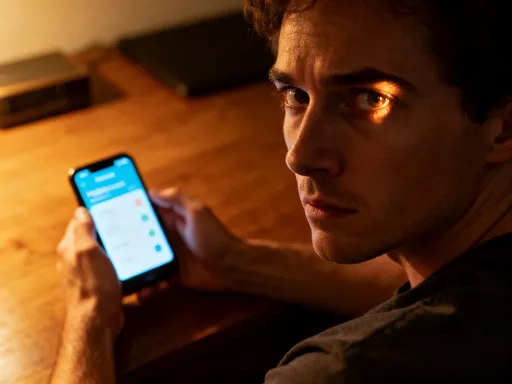
Let’s be honest—how many of us really wind down the way we’re supposed to? We say we’ll read a book or sip herbal tea, but then the phone buzzes, and suddenly it’s 11 p.m. and we’re watching a video about backyard chicken coops or comparing skincare routines from influencers we’ve never met. I used to think I was unwinding, but in reality, I was filling my mind with noise. The blue light didn’t help, of course, but the real problem wasn’t the screen—it was the emptiness behind the content. I wasn’t connecting. I wasn’t reflecting. I was just consuming. And the more I consumed, the less satisfied I felt.
There’s a quiet ache in those late-night hours, isn’t there? A sense that we’re missing something—like we’re skimming the surface of life instead of living it. I’d lie there, scrolling, and wonder why I still felt so alone, even with hundreds of people in my feed. I wasn’t looking for drama or distraction. I just wanted to feel a little more understood, a little more part of something. But doomscrolling wasn’t giving me that. It was making me more anxious, more restless, more disconnected from myself and the people I actually cared about. I needed a different kind of connection—one that didn’t leave me drained.
And I’m not alone in this. So many of us are caught in the same loop. We reach for our phones because we’re tired, but also because we’re searching—searching for meaning, for comfort, for a sense of belonging. The internet promises all of that, but so often delivers the opposite. What I finally realized was that the problem wasn’t technology itself. It was how I was using it. What if, instead of using my phone to escape, I used it to connect—on my own terms? What if bedtime wasn’t about shutting down, but about gently lighting up—just a little—with shared purpose?
Discovering Mutual Learning Groups: A Gentle Shift in Nighttime Habits
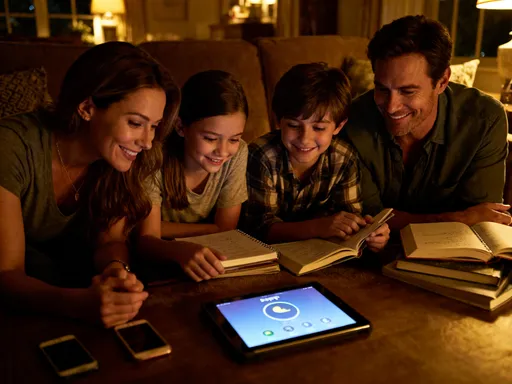
The idea came from a friend—someone I’ve known for years, a mom of two, always calm, always thoughtful. One evening, she mentioned offhand that she no longer felt guilty about being on her phone at night. I almost laughed. Guilt-free phone use? That sounded like a myth. But then she explained: she’d started a small mutual learning group with two other women. Every night, they shared one thing they’d learned that day. That’s it. No essays, no pressure, no performance. Just a tiny moment of sharing. And somehow, that small ritual had replaced her late-night scrolling.
I was skeptical. Could something so simple really make a difference? But I was also tired—tired of feeling scattered, tired of the mental fog that came with mindless browsing. So I asked her to let me in. She added me to a group chat with two other women—one a teacher, one a nurse—both around my age, all of us juggling work, family, and the endless to-do lists that come with adult life. We agreed on one rule: one message per night, anytime before midnight. It could be anything—something we read, tried, noticed, or felt. Just one small thing we wanted to share.
The first few nights, I struggled. What could I possibly have learned that was worth sharing? I wasn’t writing a thesis or discovering a new planet. But then I remembered a breathing technique I’d tried that afternoon to calm my racing thoughts. I typed it out simply: “Tried box breathing today—inhale 4, hold 4, exhale 4, hold 4. Did it three times and felt calmer. Might try before bed.” I hit send, half-expecting silence. But within minutes, one of the women replied: “I’m trying it now. Thank you!” Another wrote: “I read about this but never tried it. Did it help with anxiety?” And just like that, I didn’t feel alone. I felt useful. I felt seen. And for the first time in a long time, my phone use at night didn’t leave me feeling hollow.
From Passive Consumption to Active Connection: Rewiring Evening Routines
That’s when I began to notice the shift—not just in my screen time, but in how I felt at the end of the day. Instead of passively absorbing content, I was actively contributing. Instead of feeling like a spectator in other people’s lives, I was sharing my own—small as it was. And the women in the group were doing the same. One night, the teacher shared a quote from a student that had made her laugh: “My brain is full. Can I take a nap and come back tomorrow?” We all laughed, but also nodded. That was how we felt too. Another night, the nurse wrote about a simple stretch she’d learned to relieve back pain after long shifts. I tried it the next morning. It helped.
What surprised me most was how these tiny exchanges built up over time. They weren’t grand revelations, but they were real. And because we were consistent—just one message a night, no more, no less—they became a ritual. A gentle way to close the day. I started looking forward to it. Instead of dreading bedtime as a battle against my own thoughts, I saw it as a quiet space to reflect and connect. I’d think about my day differently, asking myself: What did I learn? What surprised me? What made me pause? That simple question changed how I paid attention during the day. I became more present. More aware. More grateful.
And the best part? It didn’t feel like work. There was no pressure to be brilliant or entertaining. We weren’t curating perfect lives. We were just showing up as we were. Sometimes my message was practical: “Found a new way to chop onions without crying—cut under running water.” Sometimes it was emotional: “Felt overwhelmed today. Took five minutes to sit outside. Sky was pink. Helped.” And each time, I was met not with judgment, but with kindness. With recognition. That’s the power of mutual learning—it’s not about teaching. It’s about sharing. And in that sharing, we were building something rare: real connection, without the noise.
Building Communication Efficiency Without the Pressure
One of the things I love most about our group is how effortlessly it works. We don’t schedule calls. We don’t demand instant replies. We don’t have rules about formatting or length. We just show up when we can, with what we have. And over time, something interesting happened: we got better at communicating. Not in a formal way, but in a more thoughtful, efficient one. Because we only had one message per night, we learned to say what mattered—clearly and kindly.
Think about how much time we waste in conversations—long emails, rambling texts, meetings that could’ve been messages. But here, brevity wasn’t a limitation. It was a gift. It forced us to focus. To choose our words. To say what we truly meant. And because we weren’t overwhelmed by volume, we actually read and absorbed each other’s messages. No skimming. No autopilot. Just real attention. That’s rare these days. And it made our exchanges feel deeper, even when they were short.
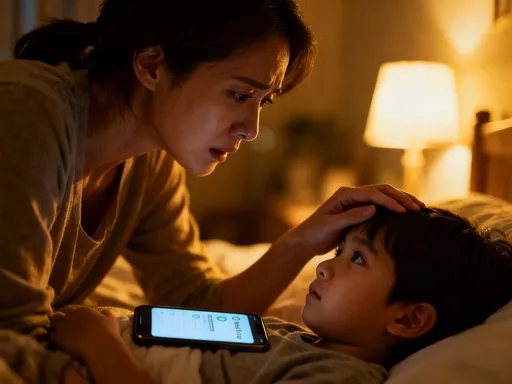
We also developed our own rhythm. Some nights are quiet. Others, a single message sparks a mini-conversation. But there’s no guilt for missing a night. Life happens. Kids get sick. Work gets busy. The beauty of the system is its flexibility. It’s not about perfection. It’s about consistency over time. And because we all understand that, there’s no pressure. Just presence. I’ve noticed that this low-pressure approach has even spilled over into how I communicate with my family. I’m less reactive. More intentional. I think before I text. I pause before I reply. And that’s made a difference—not just in my group, but in my home.
Real-Life Benefits: Calmer Mornings, Deeper Bonds, and Smarter Habits
The changes didn’t stop at bedtime. I started noticing shifts in my mornings too. I was sleeping better. Not because I’d eliminated screens—I hadn’t—but because my mind was quieter. Instead of replaying the day’s stresses or worrying about tomorrow, I’d fall asleep thinking about the small, good things we’d shared. That sense of connection, of being part of something, made it easier to let go.
And when I woke up, I felt clearer. More grounded. Like I hadn’t spent the night emotionally adrift. My mood improved. I was more patient with my kids. More present with my partner. And I started applying the things I learned—both from my own reflections and from the group. When one woman shared a gratitude journaling habit, I tried it. When another talked about using a simple meal-planning template, I adopted it. These weren’t huge overhauls. But together, they added up to a calmer, more organized life.
But the biggest benefit has been the emotional one. These women aren’t just learning partners. They’ve become friends. Real ones. We’ve celebrated birthdays, supported each other through tough times, and cheered on small wins. We’ve never met in person, but we know each other in a deep, quiet way. We know who gets anxious before parent-teacher conferences. Who loves gardening. Who needs extra rest after a long week. And that knowledge creates a kind of safety—a soft place to land at the end of a hard day. In a world that often feels too loud and too fast, that quiet, consistent care has become one of my most treasured resources.
How to Start Your Own Group: Simple Steps for Lasting Change
You don’t need a big plan to start. That’s the beauty of it. All you need is one or two people you trust—friends, siblings, cousins, neighbors. People who, like you, want a little more meaning and a little less noise at the end of the day. Start small. Just three people is perfect. You can use any messaging app you already have—WhatsApp, iMessage, Signal. No need to download anything new or complicated.
Next, decide on a simple theme. Ours is learning, but yours could be gratitude, small wins, or even just “one good thing today.” The key is to keep it broad enough to be flexible, but focused enough to give it shape. Then, set a few soft rules: one message per person per day, no pressure to reply, no judgment for missing a night. You might agree to send messages between 8 p.m. and 10 p.m., or leave it open—whatever feels right for your group.
And then, just begin. Share something—anything. A tip, a thought, a moment that made you smile. Don’t overthink it. The magic isn’t in the content. It’s in the consistency. It’s in showing up, night after night, with kindness and curiosity. I’ll admit, it felt awkward at first. But within a few weeks, it became second nature. And now, I can’t imagine my life without it.
If you’re worried about staying consistent, try setting a gentle reminder on your phone. Or tie it to an existing habit—like after you brush your teeth or finish your evening tea. The goal isn’t to add another task to your list. It’s to transform a moment you’re already spending—on your phone—into something that nourishes you instead of draining you.
Beyond the Screen: Finding Peace, Purpose, and Human Connection at Day’s End
This journey has taught me something important: technology isn’t the enemy. It’s how we use it that matters. For years, I blamed my phone for keeping me up, for making me feel worse. But the truth is, it was never the device. It was the lack of intention behind how I used it. Mutual learning groups didn’t take me away from technology. They helped me use it with purpose. With heart.
Now, when I pick up my phone at night, it’s not to escape. It’s to connect. To reflect. To share a small piece of my day with people who care. And in return, I receive the same. That exchange—tiny as it may seem—has become a cornerstone of my well-being. It’s given me a sense of belonging. A reason to pause. A way to end the day feeling a little more whole.
In a world that often feels fragmented, where we’re constantly pulled in different directions, these quiet moments of shared growth are more important than ever. They remind us that we’re not alone. That our small thoughts, our tiny discoveries, our everyday struggles and joys—they matter. And when we share them, we don’t just learn. We heal. We grow. We belong.
So if you’re tired of the endless scroll, if you’re craving something more meaningful at the end of your day, I invite you to try this. Start small. Start simple. Invite one person you trust. Share one thing. And see what grows from there. Because sometimes, the most powerful changes don’t come from big gestures. They come from tiny, consistent acts of connection—right before we close our eyes.