Tired of Your Desk Clutter? This Smart Setup Cleared My Mind and Space
Working from home used to leave me overwhelmed—papers everywhere, cords tangled, focus broken. I felt constantly behind, like my workspace was working against me. But when I redesigned it with smart habits and simple tech, everything changed. It wasn’t about buying more gadgets; it was about creating a space that supports how I actually live and work. Let me show you how small, intentional changes brought real clarity, calm, and control back into my daily rhythm.
The Mess That Mirrored My Mind
There was a time when my desk looked like a tornado had swept through it. Sticky notes clinging to the monitor, pens rolling off the edge, chargers tangled like spaghetti, and three different notebooks open to half-finished to-do lists. Every morning, I’d sit down and spend the first twenty minutes just trying to find where I left off the day before. It wasn’t just frustrating—it was exhausting. That clutter wasn’t just on the surface; it was inside my head too. I felt scattered, overwhelmed, and strangely guilty, like I was failing at something as simple as keeping a workspace in order.
Then came the coffee incident. I knocked over my mug—right onto a notebook that held my weekly meal plans, grocery lists, and a few personal notes I hadn’t backed up. As I frantically blotted the pages with paper towels, watching ink bleed across the pages, something clicked. This wasn’t just about spilled coffee. It was about a system that wasn’t working. My desk wasn’t helping me—it was fighting me. And if I wanted to feel more in control of my days, I needed to stop treating organization like a chore and start seeing it as an act of self-care. That moment sparked a quiet revolution in how I thought about my workspace.
I realized I didn’t need a full home office renovation or a closet full of fancy organizers. What I needed was a smarter way to work—one that matched my real life, not some Pinterest-perfect ideal. I wanted something that didn’t require constant effort, something that could help me breathe easier, think clearer, and actually enjoy the work I was doing. And surprisingly, the answer wasn’t less technology—it was better technology. Not flashy or complicated, but thoughtful, simple, and quietly powerful.
Starting Small: One Change That Changed Everything
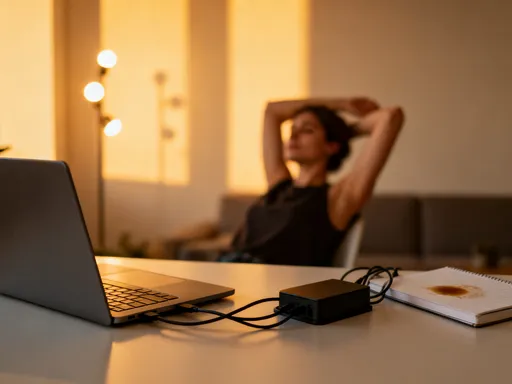
I didn’t overhaul everything at once. That would’ve just added more stress. Instead, I started with one tiny rule: every device earns its place. If it’s on my desk, it has to be useful, charged, and ready to go. No more leaving my laptop open with a dying battery, no more charging cables dangling off the edge like vines. This small shift forced me to be more intentional. But I knew willpower alone wouldn’t last, so I brought in a little help—a smart plug I connected to my power strip.
This little gadget automatically cuts power to devices that haven’t been used in over an hour. My printer, secondary monitor, and even my desk lamp turn off without me lifting a finger. Not only did this reduce phantom energy use—saving a bit on the electric bill—but it also meant fewer lights glowing at me when I walked by at night. It felt like my workspace was finally learning to rest when I did.
I paired that with a simple docking station for my phone, tablet, and laptop. Everything has a designated spot. When I’m done working, I dock, unplug, and walk away. No more hunting for chargers or wondering why my phone died at 2 p.m. The rule wasn’t about perfection—it was about consistency. And within a week, I noticed something amazing: I was spending less time searching and more time doing. That sense of momentum built quickly. Each small win—finding my pen on the first try, opening my laptop to a clean desktop—added up. I realized that smart technology doesn’t have to be flashy to be powerful. It works best when it supports simple, human habits.
Lighting the Way to Better Focus
One thing I’d completely overlooked was lighting. I used to rely on a harsh overhead bulb that made my screen glare and my eyes ache by noon. On gloomy days, the whole room felt heavy, like I was working in a basement. I didn’t realize how much it was affecting my mood until I swapped it out for smart bulbs that adjust throughout the day.
Now, my lights follow a rhythm that matches my natural energy. In the morning, they turn on with a cool, bright white light—like sunrise—to help me wake up and feel alert. As the day goes on, they gradually warm, easing into a soft golden glow by evening. I set this up with a simple app, and now it happens automatically. No buttons to press, no decisions to make. I just walk into my workspace, and the light feels right.
What surprised me most was how this small change affected not just my focus, but my emotional state. The warmer light in the afternoon helps me slow down, breathe, and transition into family time without feeling frazzled. My sister visited last month and said, “You seem calmer when you’re working now.” That stuck with me. Lighting isn’t just about seeing better—it’s about feeling better. It’s become a silent partner in my productivity, helping me move through the day with more ease. And the best part? I didn’t need to rewire anything or buy a new lamp. Just a few smart bulbs and ten minutes of setup.
Noise, Interruptions, and the Quiet Revolution
If clutter was the visible enemy, noise was the invisible one. My phone would ping with every email, social media alert, and calendar reminder. The kids would call from the living room, the dog would bark at the mail carrier, and I’d lose my train of thought mid-sentence. I used to think I could multitask through it all, but the truth was, I was constantly restarting my brain. It took me twice as long to finish simple tasks, and I made more mistakes—like sending emails with typos or missing deadlines.
I knew I needed boundaries. But I didn’t want to disappear. I still wanted to be available for my family and my work. So instead of going silent, I got smart about sound. I invested in a pair of noise-canceling headphones—not the bulky kind, but sleek, comfortable ones that feel light on my ears. I paired them with a focus mode app that silences all non-essential notifications during set work blocks. When I tap “Start Focus,” my phone goes into do-not-disturb, and only calls from family or my assistant come through.
But I didn’t stop there. I placed a small smart speaker in the corner of my office. With a simple voice command—“Start focus time”—it begins playing gentle forest sounds or soft rain. It’s not music, not silence, but a calming background that helps my brain settle. My kids know this sound means Mommy is in deep work and should only be interrupted for something urgent. It’s become a signal, a ritual. And the results? I finish tasks faster, with fewer errors, and I’m more present when I’m done. I’m not hiding—I’m protecting my attention. And that makes all the difference.
Building Habits, Not Just Systems
Here’s what I’ve learned: technology doesn’t fix habits. Habits fix habits. The gadgets I added—smart plug, bulbs, headphones, speaker—only worked because I built simple routines around them. I didn’t wait for motivation. I made it automatic.
Every night before bed, I spend two minutes resetting my workspace. I close all my apps, dock my devices, and tuck the cables into a neat fabric sleeve. I wipe the desk with a microfiber cloth. It’s not about being obsessive—it’s about honoring the space where I do my best thinking. In the morning, my smart display turns on and greets me with the weather, my calendar for the day, and—most importantly—one priority. Just one. Not a list of ten things I “should” do, but the one thing that will make the biggest difference.
These micro-habits, supported by simple automation, turned chaos into calm. I no longer start my day reacting to what’s on my desk. I start with intention. And that shift—from reactive to intentional—has changed everything. I’ve stopped measuring success by how many tasks I check off and started measuring it by how I feel at the end of the day. Calm. Capable. Connected. The tech helps, but the real magic is in the consistency. I’ve learned that showing up for myself, even in tiny ways, builds trust. And when you trust yourself, you show up better for everyone else.
When Tech Serves the Whole Home
One of the most unexpected benefits was how this transformation spread beyond my desk. My partner noticed how much calmer I seemed and asked how he could create a similar rhythm in his own work setup. We started talking about our focus times and now sync them so we’re not both in deep work at the same time—especially during dinner or family movie night. We use shared calendar blocks and even matching smart lighting scenes so we both know when it’s “quiet time.”
Our kids picked up on it too. They know that when the lights in the office turn warm and the soft rain sound starts, it means Mom is in focus mode. They’ve learned to knock gently or wait for a pause. It’s become a family rhythm, not just my personal routine. We even use the smart speaker to play a five-minute chime when focus time ends—our signal to reconnect, share updates, or just breathe together.
This isn’t about creating a high-tech fortress. It’s about using technology to create space—for work, for rest, for each other. I used to think a smart workspace was selfish, like I was building a bubble. But the truth is, when I’m more focused and less stressed, I’m a better partner, a better mom, a better listener. Our whole home feels more in tune. The peace I created at my desk didn’t stay there—it rippled outward, touching every part of our lives. And that, to me, is the real win.
The Calm After the Clutter: What Really Changed
Looking back, I can see that it wasn’t just my desk that transformed. It was my mindset. I used to see technology as the enemy—always distracting, always demanding attention. Now I see it as a quiet ally, working in the background to support my life, not complicate it. The real gain wasn’t just getting more done in less time. It was gaining peace. Presence. Joy in the work I do.
A smart workspace isn’t about collecting gadgets. It’s about designing a life where you feel capable, centered, and in control. It’s about creating a space that respects your time, your energy, and your intentions. And the beautiful thing? You don’t need a big budget or a tech degree to start. You just need one small change. One rule. One habit.
Maybe it’s a smart plug to tidy up your cords and save energy. Maybe it’s adjusting your lighting to match your natural rhythm. Or maybe it’s using noise control to protect your focus so you can be fully present when work is done. Whatever it is, let it be something that serves you—not the other way around.
Because when your space works with you, not against you, something shifts. You breathe easier. You think clearer. You move through your day with more grace. And you realize that taking care of your workspace isn’t just about organization—it’s about honoring yourself. And that? That’s worth every small change.