Soul of the City: How Durban Pulses with Living Culture
Durban isn’t just a coastal gem in South Africa—it’s a heartbeat of traditions, flavors, and stories that pull you in. From the rhythm of Zulu drums to the scent of spice-laden streets, I was immersed in moments that felt deeply real. This is more than sightseeing; it’s about connection, discovery, and feeling a place from the inside out. The city doesn’t present culture as a show for tourists—it lives it every day, in homes, markets, and gatherings. What makes Durban unforgettable is not only its golden beaches or subtropical climate but the warmth of its people and the authenticity of their shared heritage. Travelers who come seeking soul will find it here, pulsing beneath the surface of everyday life.
First Impressions: Stepping into Durban’s Cultural Pulse
Durban greets visitors with an energy that is both relaxed and vibrant, shaped by its warm climate and rich cultural mosaic. The city’s air carries a blend of ocean breeze and aromatic spices drifting from nearby food stalls, while the soundscape layers honking minibus taxis with melodic snippets of isiZulu conversation and distant drumbeats. Unlike more polished tourist destinations, Durban does not curate its identity for outsiders. Instead, it unfolds naturally—through colorful shukas worn by Zulu men, the call to prayer from historic mosques in the Indian quarter, and the colonial-era buildings that stand beside modern African storefronts. This authenticity is not staged; it is lived.
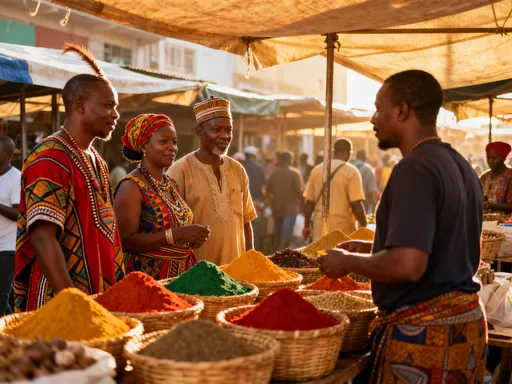
One of the first places where this cultural confluence becomes tangible is Victoria Street Market, a sprawling hub that has served the community for over a century. As sunlight filters through worn canvas awnings, vendors display mounds of turmeric, cumin, and dried chilies alongside handwoven baskets and beaded jewelry. Shopkeepers greet regulars by name, and the rhythm of daily commerce feels rooted in relationship rather than transaction. Visitors are welcomed not as spectators but as participants in a living economy. The market is more than a shopping destination—it’s a sensory archive of Durban’s layered history, where Indian, Zulu, and Cape Malay influences coexist in vivid harmony.
The linguistic landscape further reflects this diversity. Walking through neighborhoods like Warwick Triangle or Cato Manor, one hears a fluid mix of languages—isiZulu, English, Tamil, and Afrikaans—often within a single block. Children play in the streets calling out in code-switched phrases, and public signage appears in multiple tongues. This multilingualism is not merely functional; it symbolizes the city’s long-standing integration of communities. For travelers, it signals that Durban is not a place of singular identity but a dynamic tapestry woven from resilience, migration, and shared urban life. The city’s soul reveals itself not in monuments but in these everyday interactions, where culture is not preserved behind glass but carried forward in speech, gesture, and custom.
The Spirit of Umhlanga and the Meaning Behind Dance
In Durban and its surrounding villages, traditional Zulu dance is far more than performance—it is memory in motion, a living language of identity and pride. Among the most powerful expressions is *indlamu*, a warrior dance characterized by high-stepping movements, rhythmic stomping, and synchronized chants. Performed during ceremonies, weddings, and cultural festivals, *indlamu* conveys stories of lineage, bravery, and communal strength. When witnessed up close, the dance is not merely impressive in its physical precision but moving in its emotional depth. Each step carries intention; each cry from the chorus connects the present to ancestors long gone.
During a community-led cultural evening in a village just outside Durban, I had the honor of observing such a performance. Men adorned in traditional regalia—beaded belts, animal-skin aprons, and feathered headdresses—moved with disciplined power under the glow of firelight. Women, dressed in vibrant *isigege* skirts and intricate beadwork, responded with call-and-response singing, their voices rising in harmony with the drums. The performance was not designed for tourists, yet the elders welcomed us with dignity, explaining that sharing their culture is an act of preservation. They emphasized that dance is not entertainment but education—an oral history passed through rhythm and gesture.
What struck me most was the invitation to participate. Though we were guests, we were encouraged to clap in time, echo simple phrases, and even join the outer circle of dancers. This inclusion was not performative but genuine—a reflection of Ubuntu, the African philosophy of shared humanity. By clapping along, I wasn’t just observing culture; I was momentarily part of it. The experience underscored a vital truth: in Durban, cultural exchange is not transactional. It is reciprocal, rooted in respect and openness. For travelers, this means the most meaningful moments often come not from watching but from engaging—with humility, with presence, and with a willingness to listen with more than just ears.
Flavors That Tell a Story: Durban’s Culinary Crossroads
To taste Durban is to understand its history. The city’s cuisine is a direct reflection of its multicultural roots, where Indian, Zulu, and colonial influences have blended over generations into something uniquely its own. Nowhere is this more evident than in the legendary bunny chow—a humble yet iconic dish consisting of a hollowed-out loaf of bread filled with fragrant curry. Originating among Indian laborers during the colonial era, bunny chow was practical street food, designed to be eaten without utensils. Today, it stands as a symbol of resilience and fusion, a culinary emblem of how necessity gave rise to innovation and unity.
A guided food walk through Victoria Street Market offers an immersive journey into this flavorful heritage. Under the guidance of a local chef and cultural historian, I sampled lamb curry spiced with fenugreek and mustard seeds, samosas stuffed with spiced potatoes, and *bobotie*—a Cape Malay dish of spiced minced meat baked with an egg custard topping. Each bite came with a story: how cardamom arrived with Indian indentured workers, how Zulu cooking techniques influenced slow-simmered stews, and how Malay spices transformed everyday meals into celebrations. The market is not just a place to eat; it is a living archive of migration, adaptation, and survival.
Equally important is the ethics of eating in Durban. The most authentic flavors are found not in upscale restaurants but in family-run stalls and neighborhood kitchens. Choosing to eat at these small, local establishments supports intergenerational businesses and helps preserve traditional recipes that might otherwise fade. One elderly vendor, who has served curry from the same stall for over forty years, explained that her spice blend is passed down from her grandmother. “This is not just food,” she said. “It is memory.” Travelers who seek meaningful experiences should prioritize such spaces, where meals are served with pride and personal history. By doing so, they contribute to the sustainability of Durban’s culinary culture, ensuring that future generations can taste the same stories we do today.
Voices of the Community: Conversations That Changed My Perspective
While landmarks and dishes offer insight, it is people who reveal the heart of a place. In Durban, some of the most transformative moments came not from planned activities but from unplanned conversations—brief yet profound exchanges that shifted my understanding of the city. One afternoon, while observing a beadwork artist at a community craft stall, I asked about the patterns she was creating. She smiled and explained that each color and shape holds meaning: red for blood and sacrifice, green for the land, white for purity. Her designs, she said, are not decorative but communicative—maps of identity, history, and spiritual belief.
Another conversation unfolded in the back of a minibus taxi, a common mode of transport in the city. The driver, a middle-aged man with a calm demeanor, spoke thoughtfully about how Durban has changed over the decades. He recalled walking to school past sugarcane fields that are now housing developments, and how younger generations navigate a world different from his own. Yet, he emphasized, the spirit of community remains. “We still look after each other,” he said. “Even in the city, we are not strangers.” His words resonated deeply, reminding me that urban life in Durban is still rooted in relational values, not just infrastructure.
These interactions underscore a vital principle of immersive travel: the importance of listening. Too often, tourists approach cultural encounters with a camera-first mindset, capturing images without seeking understanding. In Durban, the most rewarding experiences come from slowing down, asking thoughtful questions, and being open to stories that may not be advertised in guidebooks. It means respecting boundaries—knowing when to step back, when to remain silent, and when to simply be present. When travelers engage in this way, they move beyond observation into connection. They leave not just with photos, but with perspective—glimpses into lives that enrich their own.
Sacred Spaces and Living Traditions
Culture in Durban is not confined to markets or performances; it thrives in spiritual and ancestral practices that continue to shape daily life. Across the city and its surrounding villages, families maintain traditions that honor ancestors, mark seasonal cycles, and reinforce communal bonds. While these practices are deeply private, some are shared with respectful visitors during heritage festivals or community gatherings. One such experience was attending the Reed Dance ceremony, a Zulu cultural event where thousands of young women gather to celebrate purity, unity, and respect for tradition. Though participation is reserved for those within the culture, observers are welcome under strict guidelines of modesty and decorum.
The ceremony, held annually, is a powerful display of collective identity. Women, dressed in traditional attire and carrying reeds, walk in procession to the royal palace, where they present the reeds as a symbol of peace and unity. Singing and dancing continue throughout the day, led by royal elders and spiritual leaders. What makes the event profound is not its scale but its sincerity—this is not a tourist spectacle but a living tradition with deep social and spiritual significance. For visitors, attending such events is a privilege that requires humility, appropriate dress, and adherence to local protocols.
Beyond public ceremonies, spiritual life in Durban is also expressed in quieter, everyday ways. In homes, families may perform small rituals to honor ancestors, offering food or prayers at family altars. In some neighborhoods, traditional healers—known as *sangomas*—continue to play vital roles, offering guidance and healing through herbal medicine and spiritual consultation. While these practices are not always visible to outsiders, their presence is felt in the community’s rhythm. For travelers, the lesson is clear: cultural tourism must be grounded in respect, not curiosity. Sacred spaces are not attractions; they are living parts of a community’s identity. To engage with them mindfully is to honor the people who uphold them.
Getting There, Staying Close: Practical Tips for an Immersive Visit
To truly experience Durban’s culture, travelers must make intentional choices about how they arrive, where they stay, and how they move through the city. The most meaningful visits begin with locally owned accommodations—guesthouses, cultural homestays, or community-run lodges that allow guests to engage directly with hosts. Staying in such places offers more than comfort; it fosters relationships. A homestay in a Zulu family home, for instance, might include shared meals, storytelling, and informal lessons in language or craft. These experiences create connections that last far beyond the trip itself.
Transportation is another opportunity for immersion. While rental cars are available, using minibus taxis—when guided by locals—offers a more authentic glimpse into daily life. These brightly painted vehicles are the backbone of Durban’s transit system, serving neighborhoods often overlooked by tourists. Travelers should seek guidance from trusted community members or certified cultural guides before riding, ensuring safety and respect for local norms. Similarly, walking tours led by residents provide deeper insight than standard sightseeing routes, revealing hidden corners and personal histories that maps cannot capture.
Timing the visit around cultural events can also enhance the experience. Diwali, the Hindu Festival of Lights, transforms the city with oil lamps, music, and feasts, while the Reed Dance and Zulu Cultural Festival celebrate heritage with dance, craft, and ceremony. Attending these events requires preparation—learning about their significance, dressing appropriately, and following local guidelines—but the rewards are immeasurable. Additionally, travelers should prioritize ethical considerations: avoiding exploitative tours, supporting community-run initiatives, and respecting sacred spaces. By choosing mindfully, visitors become allies in cultural preservation rather than passive consumers.
Why Immersion Matters: Leaving with More Than Memories
Travel has the power to transform, but only when approached with intention. In Durban, the most lasting impact comes not from checking off landmarks but from engaging deeply with people, traditions, and stories. Immersive travel fosters empathy—breaking down stereotypes and building bridges of understanding. It shifts the traveler’s role from observer to learner, from consumer to participant. And in a world increasingly shaped by disconnection, such experiences are not just enriching; they are necessary.
Durban, with its resilient spirit and layered identity, exemplifies how culture can thrive in the modern world without losing its soul. The city teaches that tradition is not static; it evolves through conversation, adaptation, and shared pride. For those who visit with openness and respect, the experience lingers long after departure—not just as memories, but as changed perspectives. We carry with us the rhythm of the drums, the warmth of a shared meal, the wisdom of elders, and the realization that humanity, at its best, is rooted in connection.
As travelers, we have a choice: to skim the surface or to dive deep. Choosing the latter means embracing discomfort, asking questions, and listening with humility. It means recognizing that every place has a soul, and that soul is revealed not in grand monuments but in everyday moments of humanity. In Durban, that soul pulses strongly—in the streets, the markets, the dances, and the hearts of its people. To feel it is to be changed. And that, perhaps, is the highest purpose of travel: not to see the world, but to understand it a little better, one authentic moment at a time.