Through the Lens of Cambridge: Where Culture Meets the Perfect Shot
Ever wandered a city and felt like every corner was begging to be photographed? That’s Cambridge for you—centuries of academic charm spilling into cobblestone lanes and quiet courtyards. I roamed its historic heart, camera in hand, chasing light through ancient libraries and riverside willows. This isn’t just a university town; it’s a living gallery. From the morning glow on Gothic stone to the silent glide of a punt beneath an arched bridge, Cambridge offers moments that feel both timeless and intimate. Let me take you to the spots where culture and photography quietly collide, where every frame captures more than a view—it tells a story of legacy, learning, and quiet beauty.
The Timeless Allure of Cambridge’s Academic Soul
Cambridge is not merely a city with a university; it is a city shaped by one. For over eight centuries, the University of Cambridge has been the soul of this place, its influence woven into the very fabric of the streets, buildings, and daily rhythms. Walking through its lanes feels like stepping into a continuum of intellectual pursuit, where gowned students hurry to lectures beneath medieval spires and the echo of scholarly debate seems to linger in the air. This deep-rooted academic tradition provides a unique cultural backdrop that elevates photography from simple documentation to storytelling.
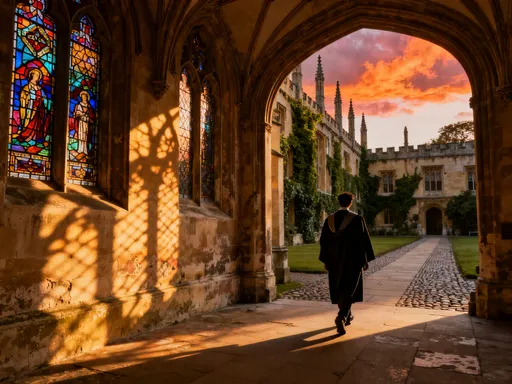
The visual language of Cambridge’s academic life is rich with authenticity. Students in formal attire crossing cobbled quadrangles, the ornate ironwork of college gates, and the quiet dignity of scholars entering ancient halls—all of these moments carry weight and narrative. These are not staged performances but real, recurring rituals that unfold naturally, offering photographers genuine scenes of tradition in motion. The presence of centuries-old customs, from matriculation to graduation ceremonies, adds layers of meaning to any image captured within the university’s embrace.
What makes these scenes particularly compelling is their integration into everyday life. Unlike museum exhibits or tourist reenactments, the academic culture of Cambridge is alive and continuously evolving. A student reading beneath a tree in Trinity College Garden, a bicycle leaning against a stone wall outside St John’s, or the soft chime of chapel bells at dusk—these are unscripted moments that resonate with history and humanity. Photographers who take the time to observe and understand this context will find their images imbued with a sense of depth and continuity.
To capture this essence, patience and awareness are essential. Rather than rushing from one landmark to another, consider slowing down and allowing the atmosphere to reveal itself. Early mornings, when the city is still quiet and the light is soft, often yield the most evocative scenes. The golden hour illuminates stone facades with warmth, while long shadows add dimension to courtyard compositions. By aligning your lens with the rhythm of academic life, you move beyond surface-level snapshots and begin to document the enduring spirit of a place where knowledge and heritage walk hand in hand.
King’s College Chapel: A Masterpiece in Stone and Light
Rising like a hymn in stone, King’s College Chapel stands as one of the most photographed and profoundly moving landmarks in all of England. Its late Gothic architecture, with soaring buttresses and an intricate fan-vaulted ceiling, is a triumph of medieval engineering and artistic vision. But it is the interplay of light and space within its walls that transforms it into a photographer’s sanctuary. Each morning, as sunlight filters through its magnificent stained-glass windows, the interior becomes a cathedral of color and shadow, a living canvas that shifts with the hours.
The west window, one of the largest in Europe, bathes the nave in a spectrum of reds, blues, and golds during midday, while the east end glows with a softer, more contemplative light in the late afternoon. The chapel’s east window, dating back to the 16th century, features intricate biblical scenes rendered in vibrant hues that come alive when struck by direct sunlight. For photographers, this means timing is everything. Arriving shortly after sunrise allows for cooler, diffused lighting that emphasizes texture and detail, while mid-morning brings the full drama of color and contrast.
When composing shots inside the chapel, consider the balance between grandeur and intimacy. Wide-angle lenses capture the vastness of the vaulted ceiling and the symmetry of the nave, but don’t overlook the power of tighter frames. Close-ups of carved capitals, weathered pews, or the play of light on polished stone can convey the same reverence in a more personal way. The wooden choir stalls, adorned with misericords depicting mythical creatures and medieval life, offer rich details that reward careful observation and selective focus.
Photography within King’s College Chapel is permitted under certain conditions, but respect for the space is paramount. Flash photography and tripods are generally prohibited, especially during services or choral rehearsals. Visitors are encouraged to be mindful of worshippers and tourists alike, maintaining a quiet presence. The best approach is to move slowly, observe the flow of light and people, and wait for moments of stillness. When the choir sings during Evensong, the acoustics and atmosphere reach a spiritual peak—one that may inspire not just a photo, but a lasting memory.
The Backs: Where Nature Frames Heritage
Stretching along the eastern edge of the city center, The Backs is one of Cambridge’s most picturesque enclaves. Here, the River Cam meanders past the rear gardens of several historic colleges, creating a seamless blend of natural beauty and architectural elegance. The name itself—“The Backs”—refers to the backs of these institutions, but what lies behind them is anything but secondary. This tranquil corridor offers some of the most iconic and compositionally rich views in the city, where water, greenery, and centuries-old buildings coexist in perfect harmony.
The visual appeal of The Backs lies in its reflections. On calm mornings, the surface of the river becomes a mirror, doubling the image of Clare College’s ornate bridge or the spire of King’s College Chapel. These mirrored scenes create symmetrical compositions that are both balanced and mesmerizing. The willow trees that line the banks dip their long branches into the water, adding soft, organic frames to the rigid geometry of stone buildings. The contrast between the fluidity of nature and the permanence of architecture makes this stretch a favorite among photographers seeking poetic imagery.
Seasonal changes dramatically affect the mood and palette of The Backs. In spring, cherry blossoms bloom along the banks, their delicate pink flowers contrasting with the gray stone. By summer, the foliage is lush and full, casting dappled shadows across the water. Autumn brings a transformation of color—golden leaves from plane trees and coppery hues from oaks enhance the warmth of the scene, while misty mornings add a dreamlike quality. Even in winter, when the trees are bare and frost may rim the riverbanks, there is a stark beauty in the simplicity and clarity of form.
For the best vantage points, begin at the Silver Street Bridge, which offers a sweeping view downstream toward King’s College. The footpath along Queen’s Road provides elevated perspectives, ideal for capturing wide-angle shots that include both banks. A slightly lesser-known spot is the footbridge near Garret Hostel Lane, where the curve of the river creates a natural leading line toward the chapel’s west front. Early morning visits are highly recommended, as this is when the light is most flattering and the area is least crowded, allowing for uninterrupted framing and focus.
Punting Culture: A Moving Perspective
One of the most distinctive cultural experiences in Cambridge is punting—a traditional form of river transport that offers both leisure and a unique photographic vantage point. A punt is a flat-bottomed boat propelled by a long pole, guided along the shallow waters of the River Cam. While often associated with tourists, punting remains a beloved pastime for locals and students alike, especially during the warmer months. For photographers, it provides an ever-changing canvas, where the city unfolds from a slow-moving, reflective viewpoint.
From the river, the familiar facades of colleges appear in new dimensions. The symmetry of King’s College Chapel, viewed from the water, gains depth and context. The intricate stonework of Trinity College or the ivy-covered walls of St John’s College take on a softer, more romantic quality when seen through the lens of rippling water and natural framing. Punting allows you to capture these landmarks not as static monuments, but as living parts of the landscape, connected to the flow of the river and the rhythm of daily life.
Timing and positioning are crucial when photographing from a punt. Mid-morning to early afternoon offers steady light and active river traffic, which can add human interest to your shots—whether it’s a guide explaining history to passengers or a couple navigating the pole for the first time. The motion of the boat introduces a challenge, so using a slightly faster shutter speed or image stabilization can help maintain clarity. For artistic effects, consider slowing the shutter to blur the movement of water, creating a sense of flow and tranquility.
Wildlife also plays a role in river photography. Swans, ducks, and even herons are common along The Backs, often gliding alongside punts or nesting near the banks. Capturing these animals in their natural habitat adds a layer of authenticity and serenity to your portfolio. The interaction between nature and heritage—such as a swan swimming beneath a stone bridge—is a recurring theme that resonates with viewers. By embracing the slow pace of punting, photographers gain not just new angles, but a deeper appreciation for the quiet elegance of Cambridge’s riverside culture.
Hidden Courtyards and Quiet Cloisters
Beyond the well-trodden paths and famous facades lie Cambridge’s hidden courtyards and cloisters—spaces that exude stillness, history, and architectural intimacy. Tucked within the walls of individual colleges, these quadrangles are often overlooked by casual visitors but offer some of the most atmospheric and visually textured scenes in the city. Here, time seems to slow, and the weight of centuries rests in the worn stone, arched passageways, and silent gardens.
Many colleges open their gates to the public during specific hours, particularly in the summer months or during special events like Cambridge Open Cambridge. When access is granted, stepping into a secluded courtyard feels like entering a private world. Great Court at Trinity College, with its grand proportions and central fountain, is impressive, but smaller spaces like the Fellows’ Garden at King’s or the Cloister Court at St John’s reveal subtler charms. These areas are rich in visual detail—weathered doorways, iron lanterns, climbing ivy, and stone carvings that hint at forgotten stories.
Photographing these spaces requires a different approach than capturing grand exteriors. The lighting is often uneven, with deep shadows contrasting against patches of sunlight, creating dramatic chiaroscuro effects. This interplay of light and dark lends itself to moody, contemplative images. A wide aperture can help isolate elements like an old wooden door or a stone bench, drawing attention to texture and form. The key is to move slowly, observe how light shifts throughout the day, and wait for moments when the space feels truly still—when a beam of sunlight illuminates a single arch or a breeze stirs the leaves in a quiet garden.
These hidden corners are also where spontaneous, unguarded moments occur. A professor walking with a stack of books, a student pausing to write in a notebook, or a cat sunning itself on a windowsill—such scenes are fleeting but full of character. They remind us that Cambridge is not just a monument to the past, but a living, breathing community. By seeking out these quieter spaces, photographers gain access to a more personal and authentic side of the city, one that speaks not of grandeur alone, but of daily life within a legacy of learning.
Library Interiors and Academic Spaces Open to Visitors
Among the most awe-inspiring interiors in Cambridge are its libraries—sanctuaries of knowledge that also serve as masterclasses in architectural and photographic composition. While many college libraries are restricted to members, several notable spaces welcome visitors and allow photography under specific guidelines. These include the University Library’s public reading rooms and select open-access areas within historic colleges, where the atmosphere of scholarly dedication is palpable.
The University Library, one of the six legal deposit libraries in the UK, houses millions of volumes across its towering stacks. Its main reading room, with its high ceilings, long oak tables, and rows of leather-bound books, exudes a quiet grandeur. The natural light filtering through tall windows enhances the warmth of the wood and the depth of color in the spines. For photographers, this environment offers strong vertical lines, symmetrical layouts, and rich textures—ideal for creating images that convey both scale and intimacy.
When photographing such spaces, discretion is essential. Tripods are typically not allowed, and flash photography is prohibited to preserve the integrity of rare materials and maintain a respectful atmosphere. The best results come from using natural light and higher ISO settings to maintain image quality without disturbing others. A prime lens with a wide aperture, such as 50mm f/1.8, can help isolate details—perhaps a single book open on a desk, a pair of reading glasses left behind, or the play of light on a carved bookshelf.
Some colleges, such as Trinity and St John’s, occasionally open their historic libraries to the public during festivals or heritage days. These rare opportunities allow access to rooms filled with medieval manuscripts, celestial globes, and ornate chandeliers. The sense of history in these spaces is overwhelming, and every photograph taken becomes a tribute to centuries of intellectual pursuit. By honoring the rules and capturing these interiors with reverence, photographers not only create beautiful images but also contribute to the visual preservation of places where knowledge has been cherished for generations.
Capturing Cambridge: Practical Tips for Photographers
To truly do justice to Cambridge’s visual richness, preparation and sensitivity are key. Start by planning your visit around the best lighting conditions. The golden hours—shortly after sunrise and before sunset—provide soft, warm light that enhances stone textures and creates long, dramatic shadows. Midday light can be harsh, especially on pale stone facades, so use this time for indoor or shaded areas, such as cloisters or library interiors.
When it comes to gear, a versatile kit works best. A wide-angle lens (16–35mm) is ideal for capturing expansive views of The Backs or the interior of King’s College Chapel, while a standard prime lens (50mm) excels in low-light conditions and delivers sharp, natural perspectives. A lightweight tripod can be useful for early morning shots on the river, but always check local guidelines, as some areas restrict their use. A polarizing filter helps reduce glare on water and glass, enhancing reflections and color saturation.
Equally important is cultural awareness. Cambridge is a working academic city, not a theme park. Be mindful of students, staff, and residents. Avoid blocking pathways, respect quiet zones, and never intrude on private college spaces without permission. When photographing people, especially in candid moments, do so with discretion and kindness. A smile or brief nod can go a long way in fostering goodwill.
Finally, remember that the most powerful photographs are not just technically sound but emotionally resonant. Look beyond the postcard views and seek the quiet moments—the rustle of pages in a library, the echo of footsteps in a courtyard, the way light touches an arch at dawn. These are the images that capture the soul of Cambridge. As you walk its paths with camera in hand, let yourself be guided not just by composition, but by curiosity and respect. In this city of scholars and stonework, every photograph you take becomes part of a larger story—one of enduring legacy, quiet beauty, and the timeless pursuit of understanding.