You Gotta See This – Killarney’s Wild Beauty Blew Me Away
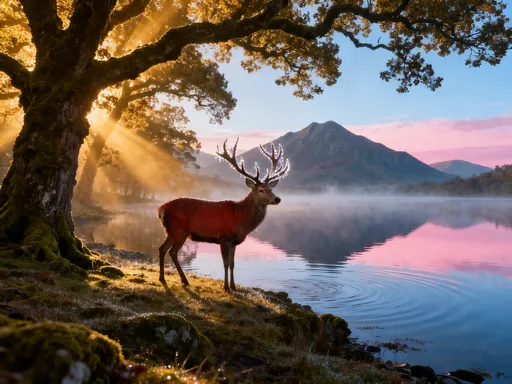
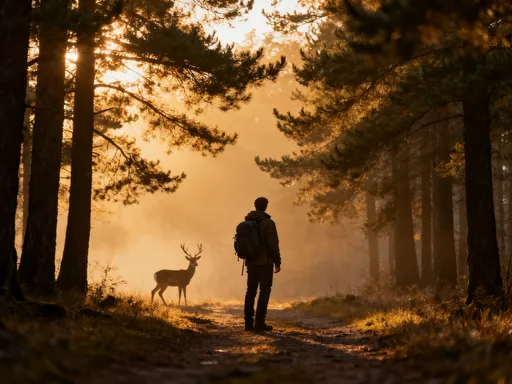
If you’re chasing raw, untouched nature in Ireland, Killarney should be at the top of your list. I went expecting green hills and lakes — but what I found was way deeper. Towering mountains, whispering woodlands, and lakes so clear they look photoshopped. This isn’t just scenery; it’s a full sensory escape. From hiking ancient trails to spotting red deer in the mist, every moment feels alive. Let me show you why this place is a nature lover’s dream — and how to experience it like a pro.
Why Killarney Stands Out in Ireland’s Natural Landscape
Killarney is not just another pretty town in Ireland — it’s a gateway to one of the country’s most diverse and ecologically rich regions. Nestled in County Kerry, it offers a rare convergence of mountain, forest, and freshwater lake systems all within a compact area. At the heart of this natural mosaic lies Killarney National Park, Ireland’s first national park, established in 1932. Covering over 100 square kilometers, the park protects some of the last remaining native oak and yew woodlands in Western Europe. These ancient forests are more than scenic backdrops — they are living ecosystems that support rare mosses, lichens, and bird species found nowhere else on the island.
What truly sets Killarney apart is its biodiversity. The park is home to the only surviving indigenous herd of red deer in Ireland, a species that has roamed these hills for over 10,000 years. Seeing them emerge from the morning mist near Muckross Lake feels like stepping into a myth. The presence of these animals, along with otters, pine martens, and over 130 bird species, underscores the region’s ecological importance. Unlike many other Irish destinations that focus on coastal cliffs or rolling farmland, Killarney delivers a full spectrum of natural environments — from the still waters of Lough Leane to the rugged summit of Mangerton Mountain.
Its location in southwestern Ireland also makes it a strategic base for exploring both inland and coastal landscapes. Within a short drive, you can stand atop a windswept mountain pass or walk along the Atlantic shoreline. This versatility is why Killarney appeals to a wide range of travelers — from serious hikers to families looking for peaceful lakeside picnics. The park’s designation as a UNESCO Biosphere Reserve further highlights its global significance, not just as a place of beauty, but as a model for conservation and sustainable tourism.
Planning Your Visit: When to Go and What to Pack
Timing your visit to Killarney can make a big difference in your experience. The ideal window is from late spring through early autumn — May to September — when the weather is mildest and daylight stretches well into the evening. During these months, average temperatures range from 12°C to 18°C (54°F to 64°F), making it comfortable for outdoor activities. The flora is also at its peak, with rhododendrons blooming in vibrant purples and pinks along the park’s trails in late April and May. Summer brings longer days, giving you more time to explore without rushing.
That said, the shoulder seasons — April and October — offer their own rewards. Fewer crowds mean quieter trails and easier access to accommodations. The changing colors of autumn, especially in the oak woodlands, create a golden canopy that feels almost magical. Spring brings fresh greenery and the chance to see newborn fawns cautiously following their mothers through the underbrush. Just be prepared for more unpredictable weather during these times. Rain is part of the Irish landscape, and Killarney averages about 1,200 millimeters of rainfall annually, so flexibility is key.
When packing, think in layers. Mornings can be crisp, afternoons warm, and evenings cool — sometimes all in one day. A moisture-wicking base layer, a mid-weight fleece, and a waterproof outer shell will keep you comfortable no matter what the sky decides. Sturdy hiking boots with good ankle support are essential, especially if you plan to tackle any of the mountain trails. Don’t forget a wide-brimmed hat and sunglasses for sunny days, and a compact umbrella or lightweight rain cover for sudden showers. A small backpack with snacks, water, and a fully charged phone is also smart — many trails have limited facilities.
Before heading out each day, check a reliable weather app like Met Éireann or BBC Weather. Irish weather changes quickly, and being caught in a downpour without proper gear can turn a dream hike into a soggy struggle. Also, remember that trail conditions can vary — a path that’s dry in the morning might become muddy after a midday storm. Planning ahead doesn’t take away from the adventure; it enhances it by letting you focus on the beauty around you, not the discomfort of being underprepared.
Getting There and Moving Around Without the Hassle
Reaching Killarney is straightforward, whether you’re coming from within Ireland or arriving from abroad. The most common route is by car from Dublin, which takes about three and a half to four hours via the M7 and M8 motorways. Driving offers the most flexibility, allowing you to explore at your own pace and access remote trailheads that aren’t served by public transport. If you’re flying into Shannon or Cork Airport, Killarney is just over an hour’s drive from Cork, making it an easy addition to a southern Ireland itinerary.
For those who prefer not to drive, public transportation is reliable and scenic. Bus Éireann operates frequent services from Dublin, Cork, and Limerick directly to Killarney’s town center. The journey from Dublin takes about four and a half hours, with comfortable coaches that include Wi-Fi and air conditioning. Irish Rail connects to nearby towns like Tralee and Mallow, from which you can take a local bus or taxi to Killarney. While there’s no direct train to Killarney, the rail-bus combination is efficient and stress-free.
Once in Killarney, getting around is surprisingly easy without a car. The town itself is compact and walkable, with most accommodations, restaurants, and shops within a 15-minute stroll of each other. The national park entrance is just a short walk from the town center, and many of the most popular trails start right from the edge of town. For longer distances, renting a bike is a great eco-friendly option. Several local outfitters offer mountain and hybrid bikes, and there are dedicated cycling paths that wind through the park and along the lakeshores.
If you do rent a car, be mindful of parking. The town has several public car parks, including one near the cathedral and another close to the park’s main entrance. Trailheads like Torc Waterfall and Muckross House also have designated lots, but they fill up quickly on sunny weekends. Arriving early — by 9 a.m. — ensures you’ll find a spot without stress. For a more relaxed experience, consider using the local hop-on-hop-off tour buses, which stop at major attractions and eliminate the need to navigate narrow country roads.
Must-Experience Natural Sights in and Around Killarney
Killarney is filled with natural wonders, but a few stand out as essential stops on any visit. Muckross Lake, one of the three great lakes of Killarney, is a masterpiece of clarity and calm. Surrounded by mountains and forest, its surface reflects the sky like a mirror, especially at dawn. You can walk along the Muckross Peninsula trail, a gentle loop that offers panoramic views and frequent wildlife sightings. It’s not uncommon to see swans gliding across the water or a heron standing motionless at the shoreline, waiting to strike.
Just a short walk from the town center, Torc Waterfall is one of the most photographed spots in the region. After a heavy rain, the cascade plunges 20 meters down a moss-covered cliff, sending up a fine mist that catches the sunlight like tiny rainbows. The trail to the base is well-maintained and takes about 30 minutes round trip, making it accessible for most fitness levels. For a more immersive experience, continue to the top of the waterfall via the Old Kenmare Road trail, where you’ll be rewarded with sweeping views of the valley below.
Lough Leane, the largest of the three lakes, is another must-see. Its name means “Lake of Learning,” and local legends say it was once home to a wise salmon that granted knowledge to those who ate it. While you won’t find magical fish, you will find peace. Boat tours depart regularly from Ross Island and offer a unique perspective on the landscape. From the water, you can see how the hills rise steeply from the shore, cloaked in green, and how the islands dot the lake like emeralds. Some tours include stops at Innisfallen Island, where the ruins of a 7th-century monastery whisper stories of monks and scholars.
For those seeking solitude, the Drunkard’s Path is a hidden gem. This quiet trail runs along the edge of Lough Leane, away from the main tourist routes. It’s named after a local legend about a man who walked it nightly after too much drink, but today it’s known for its tranquility and birdwatching opportunities. Dawn is the best time to visit — when the lake is still, the air is crisp, and the only sounds are the rustle of reeds and the call of a distant curlew. These moments of quiet connection with nature are what make Killarney so unforgettable.
Hiking Done Right: Trails for Every Level
Whether you’re a seasoned hiker or just starting out, Killarney has a trail that fits your pace and ambition. The key is matching the right path to your fitness and experience. For beginners, the Muckross House to Torc Waterfall trail is ideal. This 3.5-kilometer route is mostly flat, with clear signage and frequent benches. It passes through native woodland, crosses a stone bridge, and ends at the dramatic waterfall. It’s a gentle introduction to the park’s beauty and takes about an hour round trip.
Intermediate hikers will appreciate the Old Kenmare Road, a historic pathway that once connected Killarney to the town of Kenmare. This 10-kilometer loop climbs gradually through forest and opens up to stunning views of the lakes and mountains. The trail is well-marked with yellow arrows and takes about three to four hours to complete. Along the way, you’ll pass remnants of old stone walls and gateposts, silent witnesses to centuries of travel. It’s a great choice for those who want a longer walk without extreme elevation.
For the more adventurous, Mangerton Mountain offers a challenging but rewarding climb. At 843 meters, it’s one of the highest peaks in the region. The trail starts near the Gap of Dunloe and gains elevation quickly, with rocky sections and steep ascents. The effort pays off at the summit, where on a clear day you can see five counties and even the distant Atlantic Ocean. The famous “Devil’s Punchbowl,” a dramatic corrie lake near the top, adds to the sense of adventure. This hike takes five to six hours and should only be attempted with proper gear and good weather.
For families or those looking for a more relaxed outing, the Killarney Mountain Bike Trail offers a safe, scenic route through the park. While designed for cyclists, it’s also open to walkers and strollers. The trail is wide, smooth, and mostly flat, running alongside Lough Leane with frequent viewpoints. It’s perfect for a morning walk with coffee in hand or an afternoon picnic by the water. No matter which trail you choose, always carry a map or use a trusted navigation app like OS Maps or AllTrails. And remember — staying on marked paths isn’t just about safety; it helps protect the fragile ecosystems that make this place so special.
Connecting with Nature Beyond the Park
While Killarney National Park is the star attraction, the surrounding area holds its own magic. The Gap of Dunloe, a narrow mountain pass carved by glaciers, is a must-see. Five lakes lie along its length, connected by winding roads and footpaths. You can walk or bike through the gap, or take a traditional Irish jaunting car — a horse-drawn carriage — for a nostalgic journey. The towering cliffs on either side create a sense of awe, as if you’re walking through the bones of the earth.
Ross Island, located just outside the park, combines history and nature beautifully. Once the site of copper mining over 4,000 years ago, it’s now a peaceful forested area with walking trails and views of Lough Leane. Interpretive signs tell the story of the ancient miners and how their work shaped the landscape. It’s a quiet place, perfect for reflection, and often overlooked by tourists in favor of busier spots.
The Ring of Kerry, a 179-kilometer scenic drive, loops around the Iveragh Peninsula and offers some of the most breathtaking coastal and mountain views in Ireland. While it can be done in a day, taking two days allows you to stop at hidden beaches, local markets, and quiet villages. Ladies View, a popular stop along the route, offers a panoramic vista of the Lakes of Killarney framed by mountains. It was named after Queen Victoria’s ladies-in-waiting, who admired the view during her visit in 1861.
For a different perspective, consider a boat tour on one of the lakes. These tours are not just scenic — they’re educational. Many guides share stories of local wildlife, geology, and history, enriching your understanding of the landscape. Some even include live traditional music, adding a cultural layer to the natural beauty. Whether you’re floating on Lough Leane or cruising past the islands of Muckross Lake, being on the water slows time and deepens your connection to the place.
Travel Smarter: How to Respect and Preserve the Wild
As more people discover the beauty of Killarney, it’s more important than ever to travel responsibly. The principles of Leave No Trace are simple but powerful: take only photos, leave only footprints. This means packing out all trash, including food wrappers and biodegradable items like apple cores, which can disrupt local ecosystems. Avoid feeding wildlife — no matter how cute a squirrel or swan may look, human food can harm their health and alter natural behaviors.
Staying on marked trails isn’t just about your safety; it protects delicate plant life and prevents soil erosion. The native woodlands of Killarney take decades to recover from even minor damage. When photographing animals like red deer, use a zoom lens and keep a respectful distance. These creatures are wild, not performers, and stress from close encounters can affect their well-being.
Supporting local eco-initiatives is another way to give back. Many local businesses in Killarney are committed to sustainability, from cafes using compostable packaging to tour operators who donate part of their profits to conservation efforts. Choosing these services helps ensure that tourism benefits the community and the environment.
Finally, practice quiet enjoyment. Turn off loud music, speak in low voices on trails, and let the natural sounds — the rustle of leaves, the call of birds, the whisper of wind — be your soundtrack. These moments of stillness are rare in modern life, and they’re part of what makes Killarney so healing.
The wild beauty of Killarney is not just a sight to see — it’s a gift to be cherished. By traveling with care and intention, we help ensure that future generations can stand where we stood, breathe the same crisp air, and feel that same deep connection to the earth. So go explore. Walk the ancient paths, listen to the waterfalls, and let the mountains fill your soul. Just remember — the best way to love this place is to leave it exactly as you found it.